




How the tarot deck works
The tarot is a symbolic deck used as a reflective tool, not a machine for predicting exact outcomes. A standard deck contains a variety of images, figures and symbols that have developed a long history of meanings and associations. Practitioners use these images to bring different aspects of a situation into view, encouraging conversation and insight rather than issuing definitive statements about the future. (78 cards: 22 major arcana and 56 minor arcana in four suits)
The major arcana typically represent larger themes or archetypal energies—life stages, turning points, and broad patterns—while the minor arcana and their suits focus on day-to-day influences, choices and relationships. Each card combines visual cues, traditional interpretations and the context in which it appears. When you engage with the deck, you’re engaging with a language of metaphor: the pictures and positions help you imagine possibilities, surface hidden assumptions, and notice angles you might have missed when thinking only from the inside of the situation.
How to read the cards
Reading tarot begins with a clear question or area of focus and a simple process: shuffle or mix the cards, lay them out in a chosen pattern (a “spread”), and consider each card’s meaning in relation to location and neighboring cards. The spread you choose frames the conversation—some ask about immediate choices, others about underlying influences or potential outcomes. Interpreting the cards is an active process: you combine traditional card meanings with the specific language of the spread and the particulars of the question to form a coherent narrative or set of perspectives.
A good reading blends knowledge and responsiveness. The reader uses knowledge of symbols and common interpretations as a foundation, then listens to what the cards suggest about priorities, obstacles and options. Intuition informs how a card is spoken about, but it is guided by concrete details from the querent’s situation. A reading is most helpful when treated as a prompt for reflection: it highlights possibilities, suggests questions to explore, and can point toward practical next steps, while leaving room for free will and change.
What tarot does not do
Tarot does not provide guaranteed predictions, remove responsibility, or replace professional advice in areas like medical, legal, or financial matters. It is not a tool for controlling other people’s choices or proving a single fixed future. Instead, it offers perspectives and language for thinking through a situation; the value lies in how you use that insight alongside your judgment, research and trusted counsel.
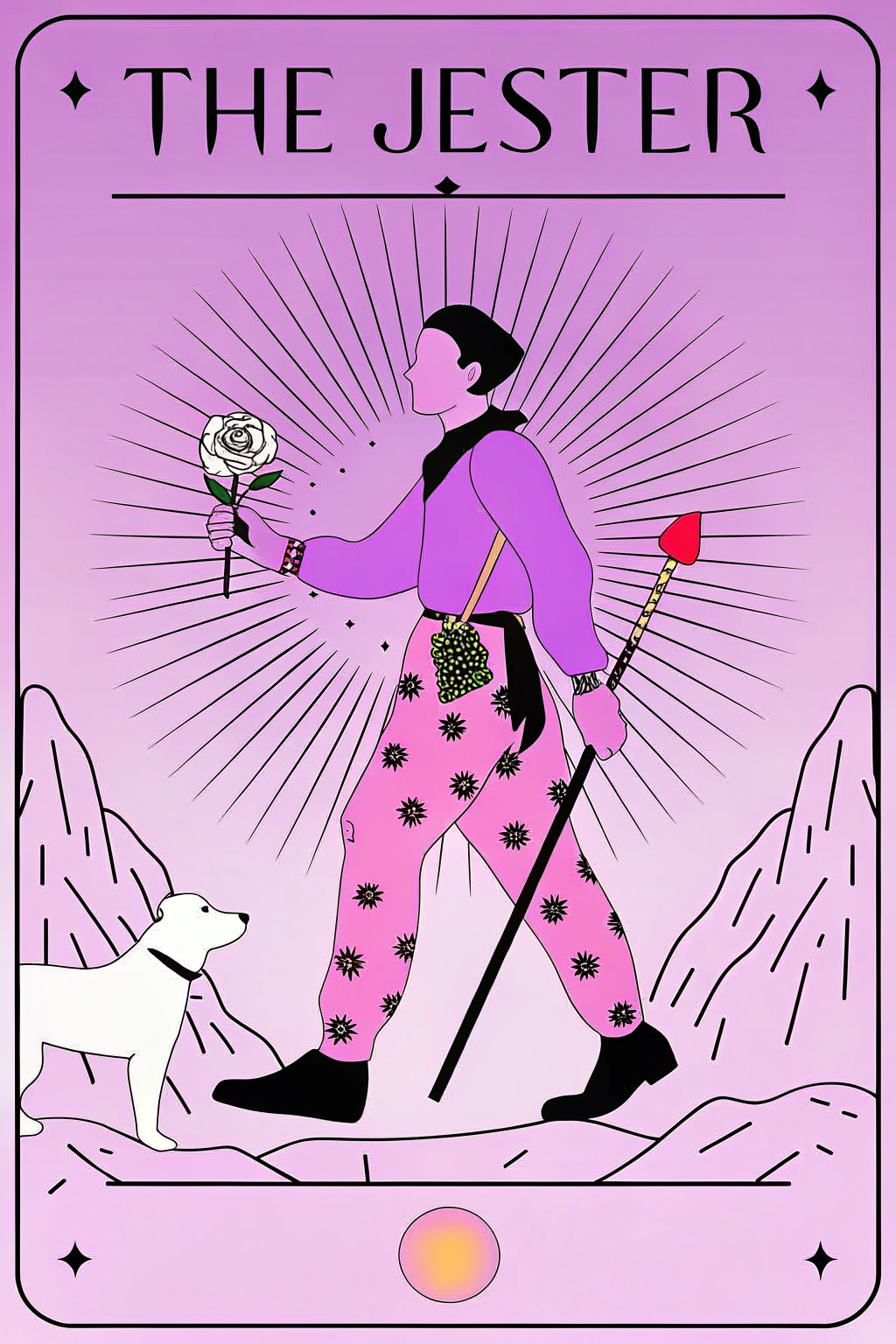 The Fool
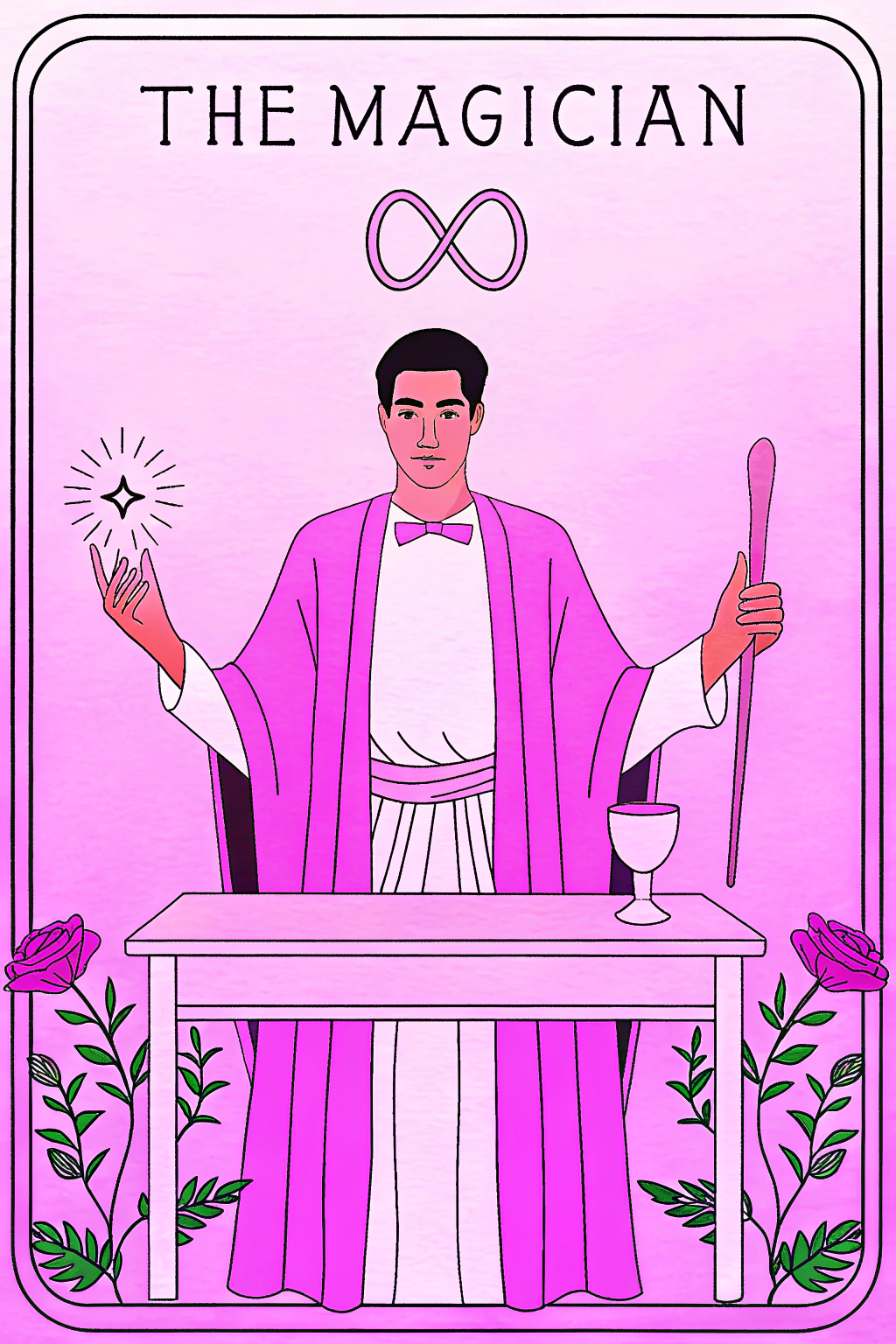 The Magician
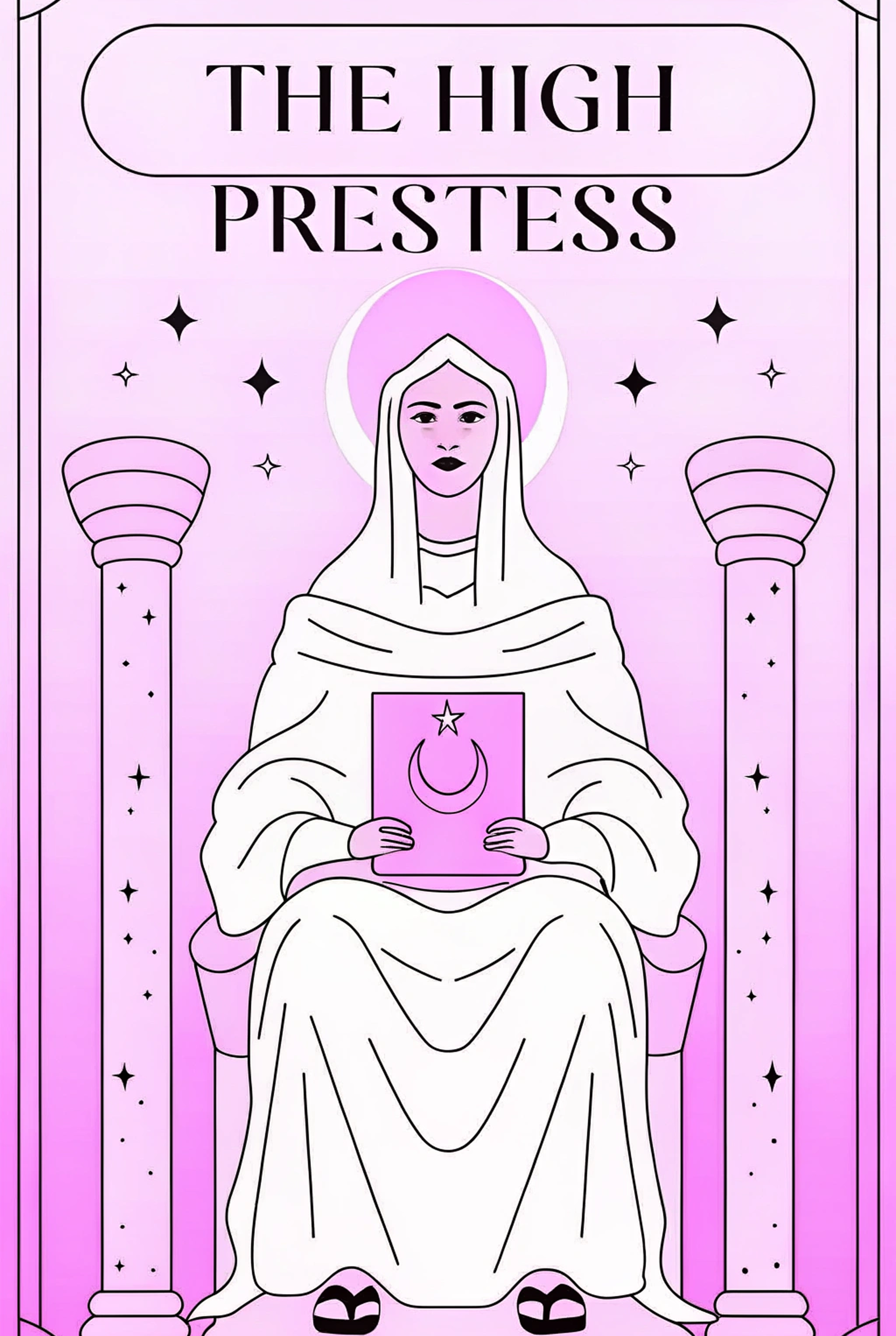 The High Priestess
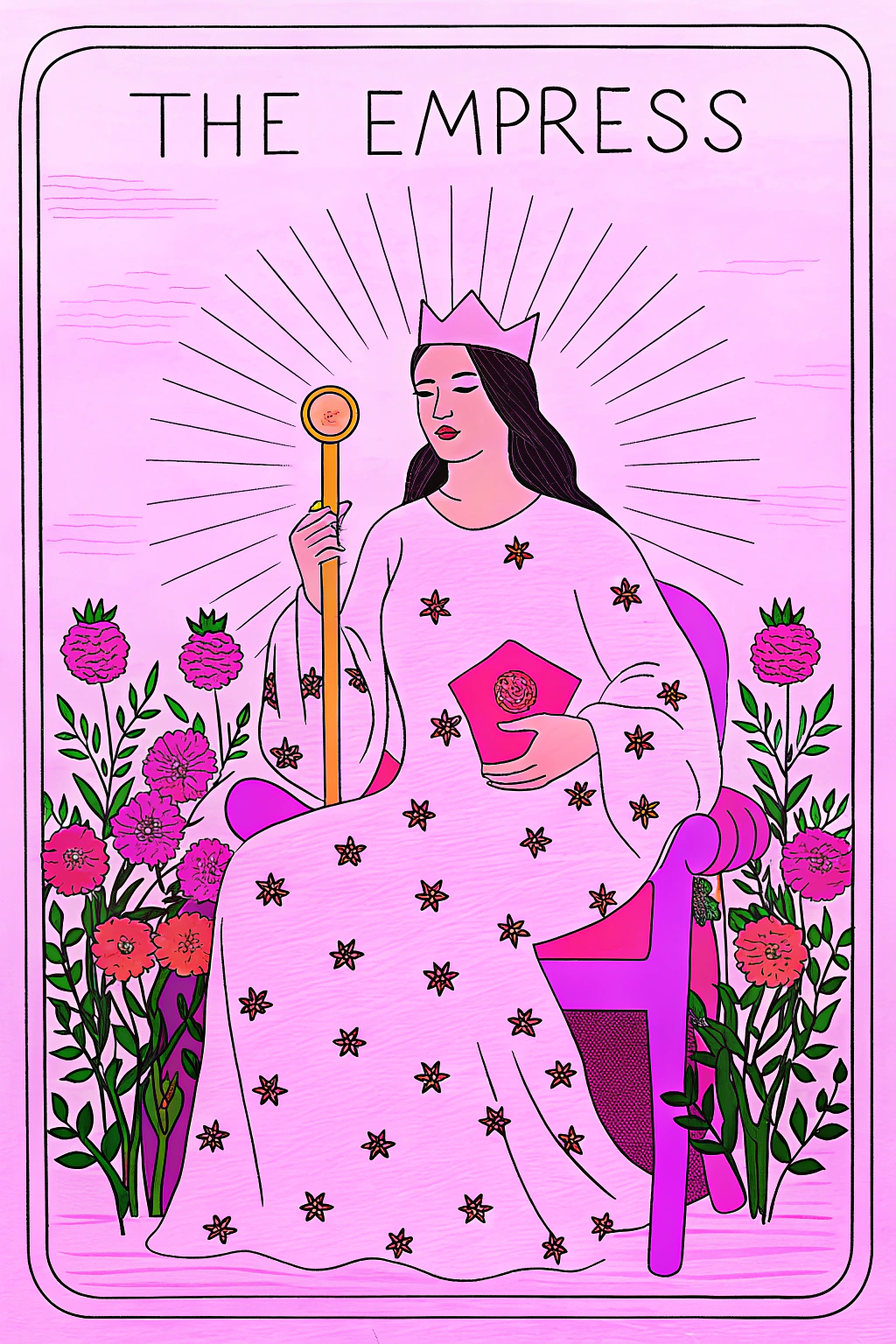 The Empress
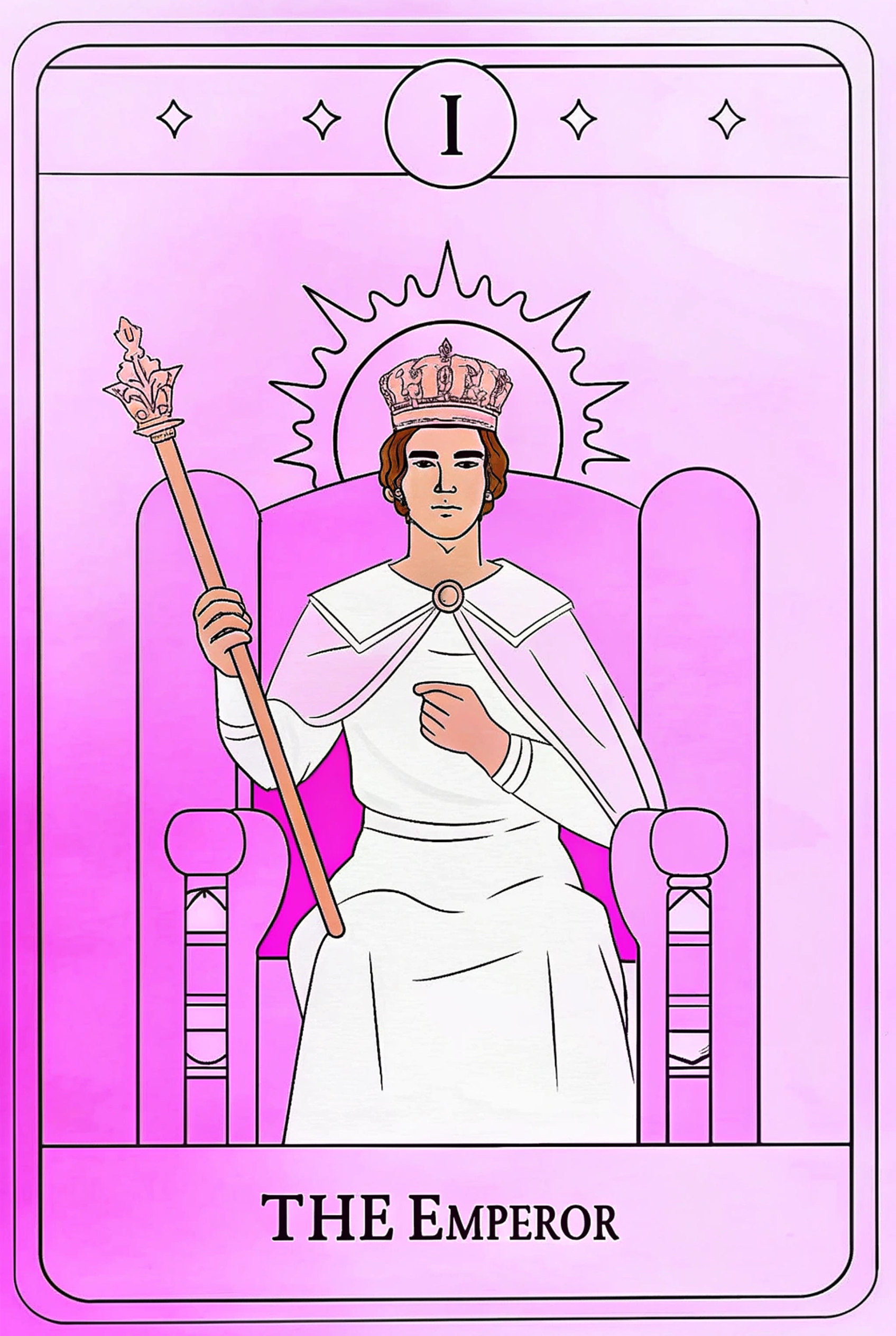 The Emperor
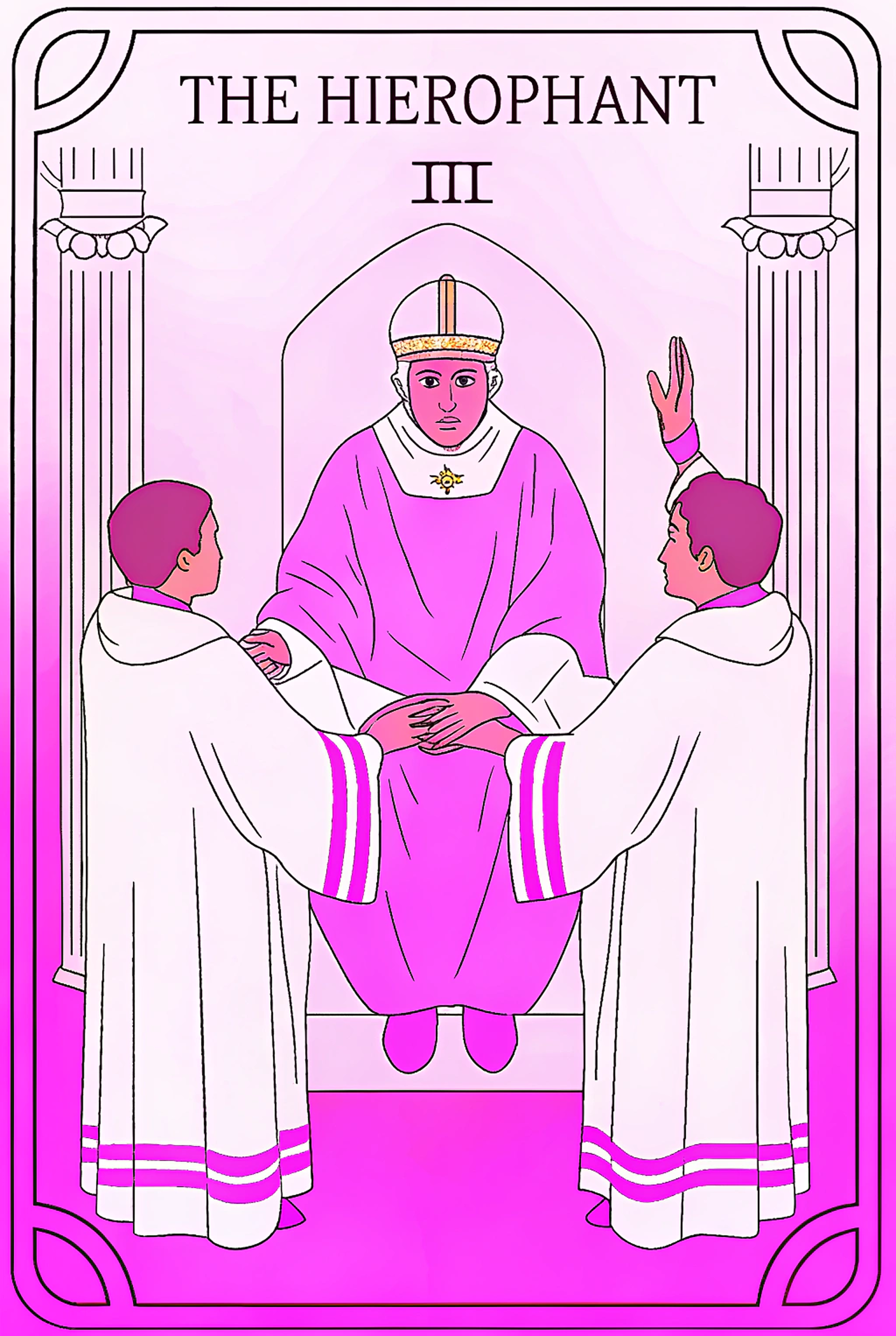 The Hierophant
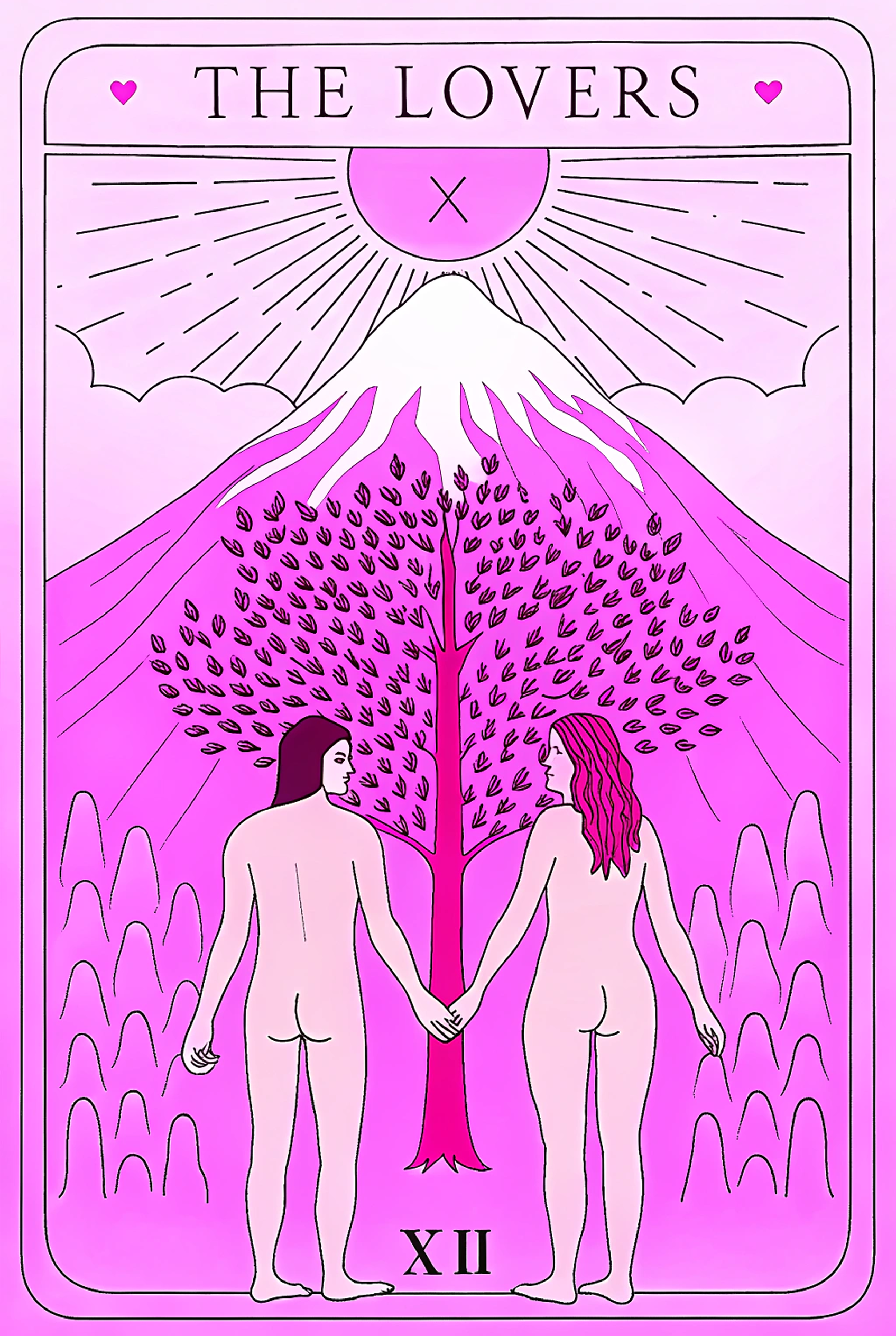 The Lovers
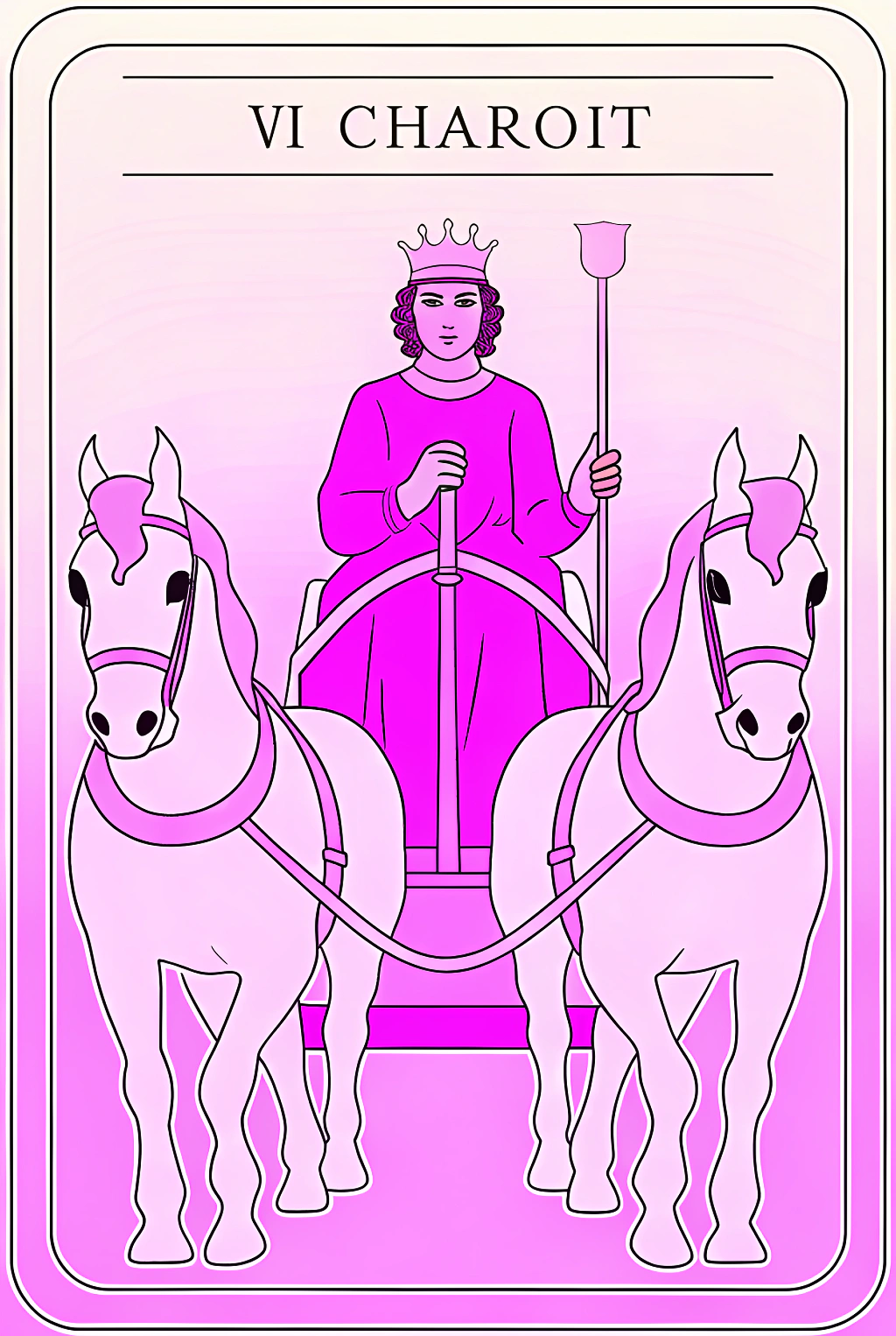 The Chariot
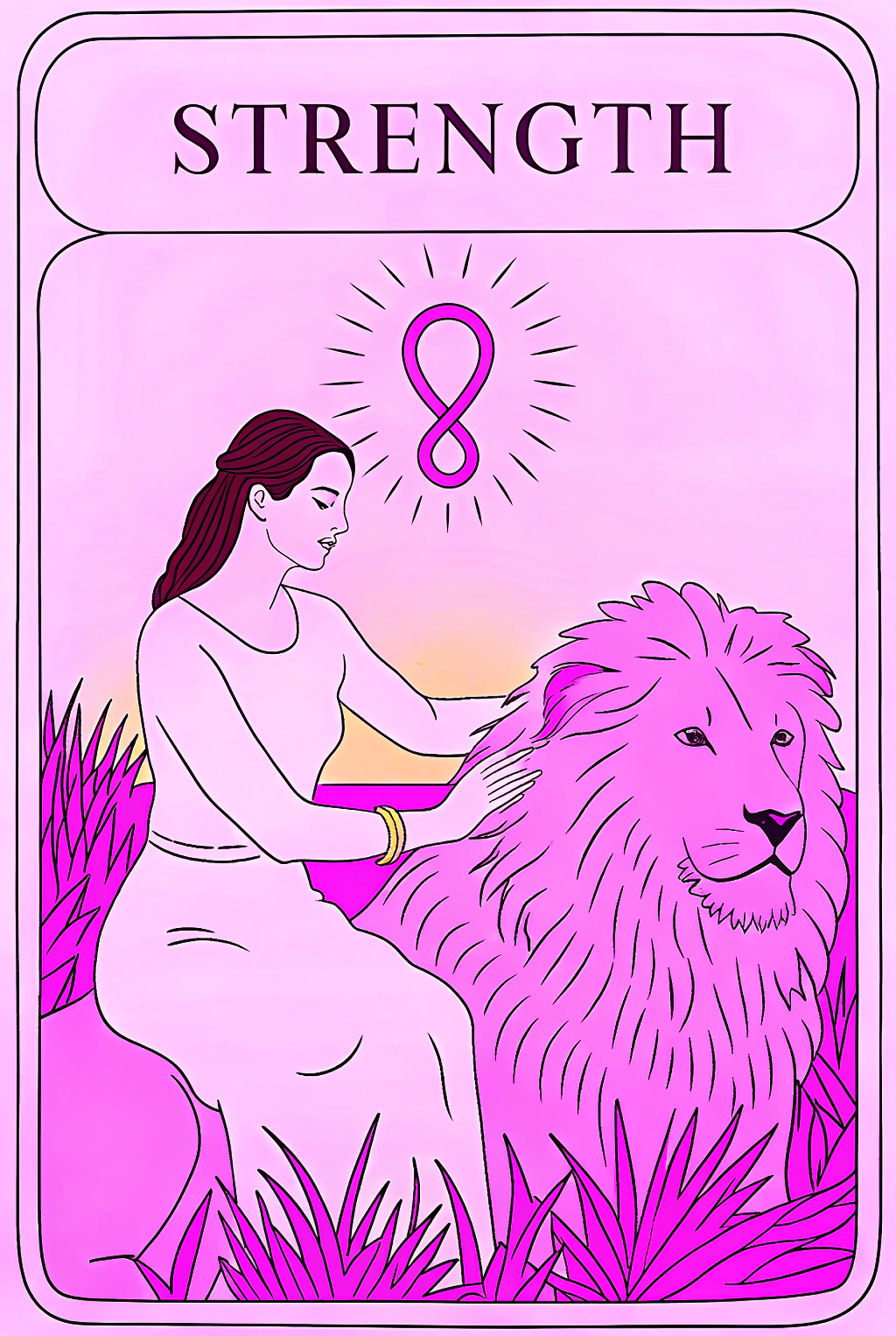 Strength
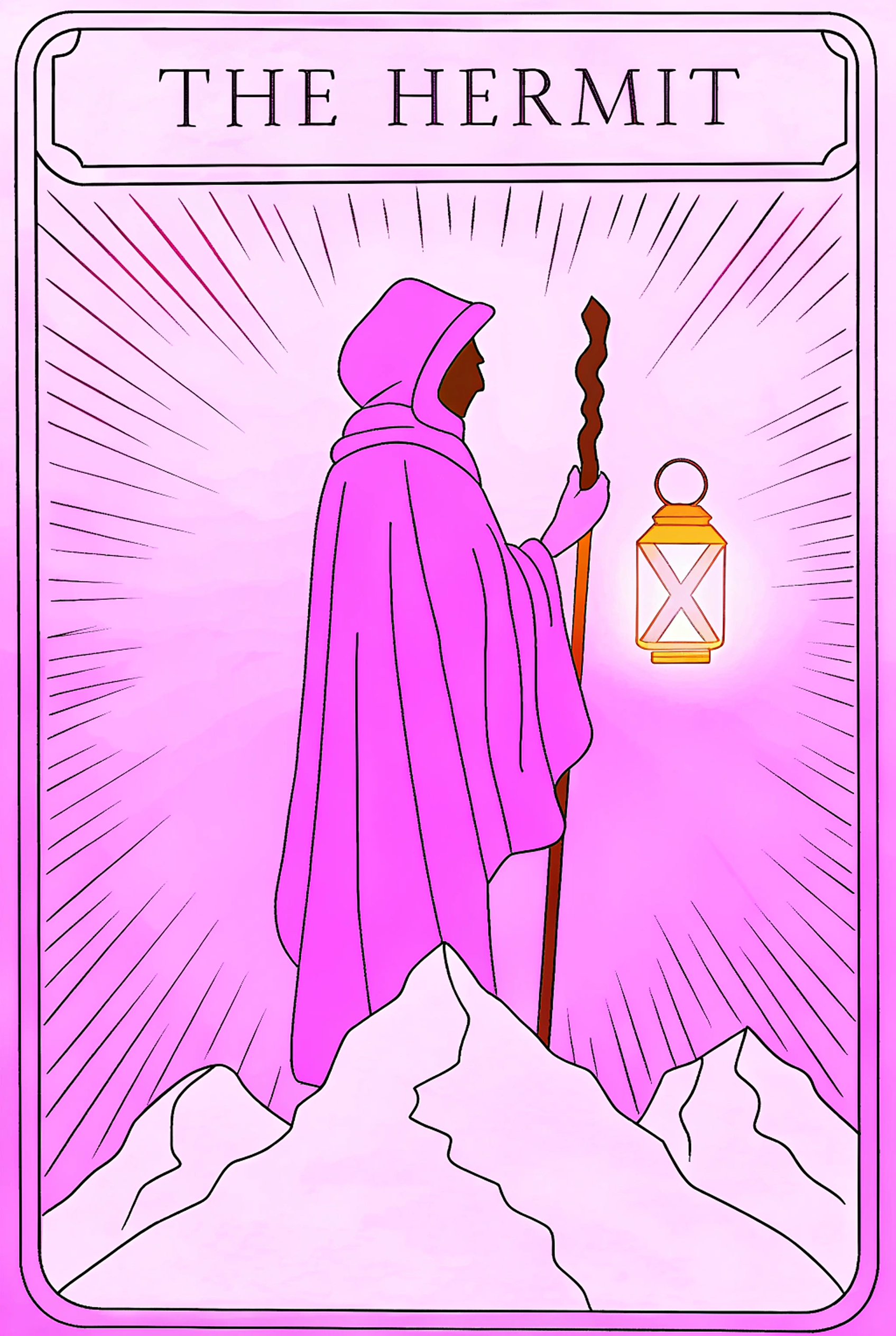 The Hermit
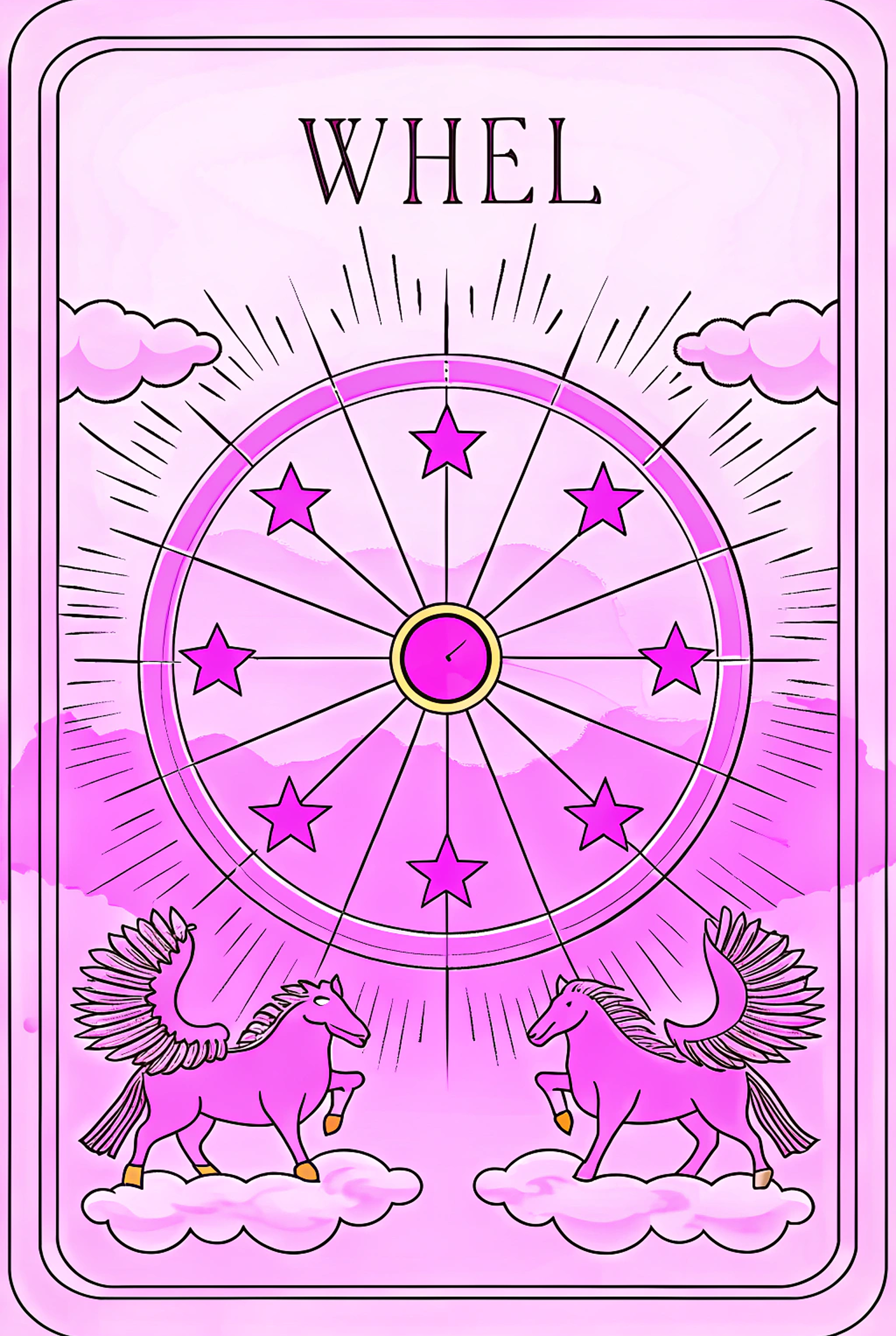 Wheel of Fortune
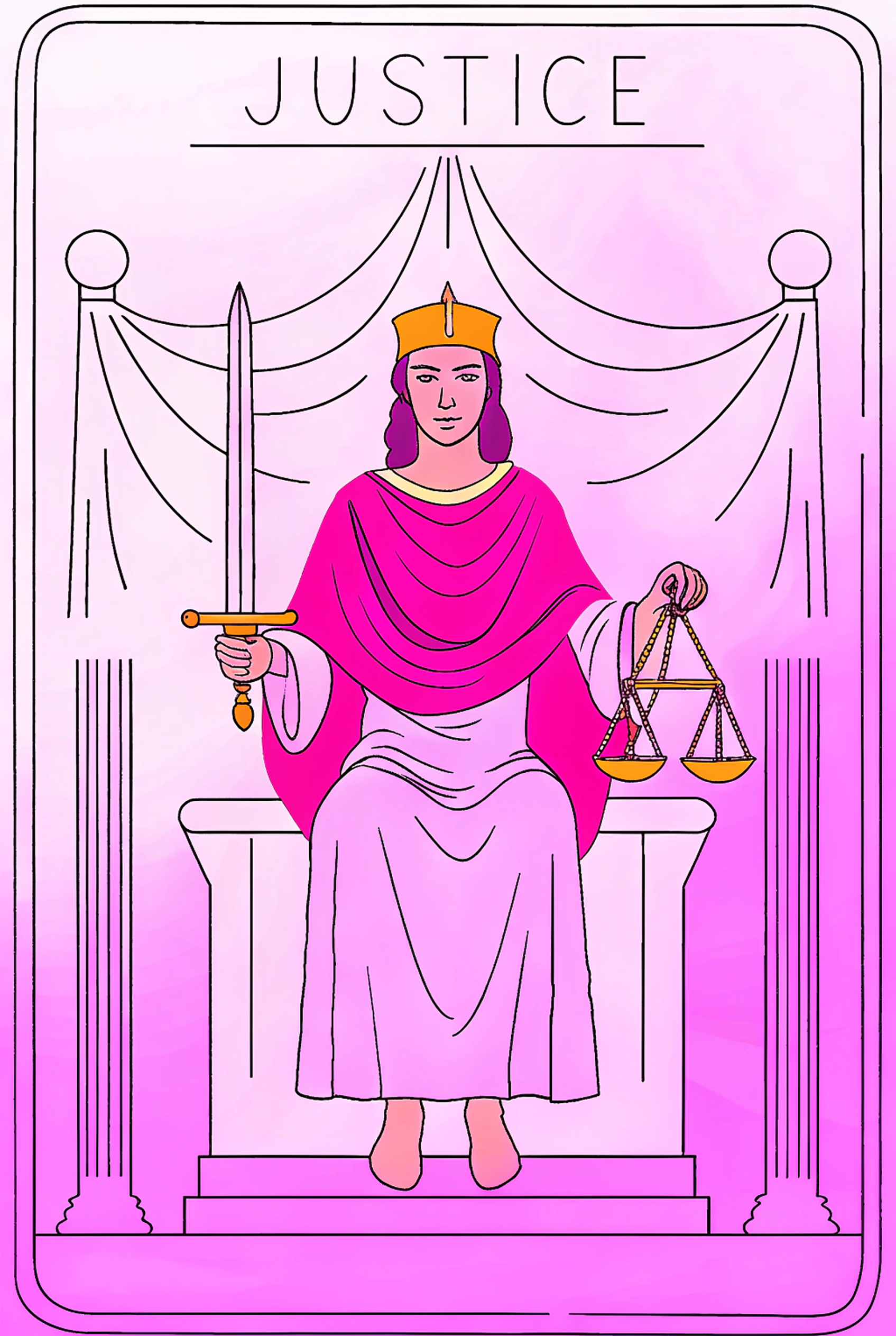 Justice
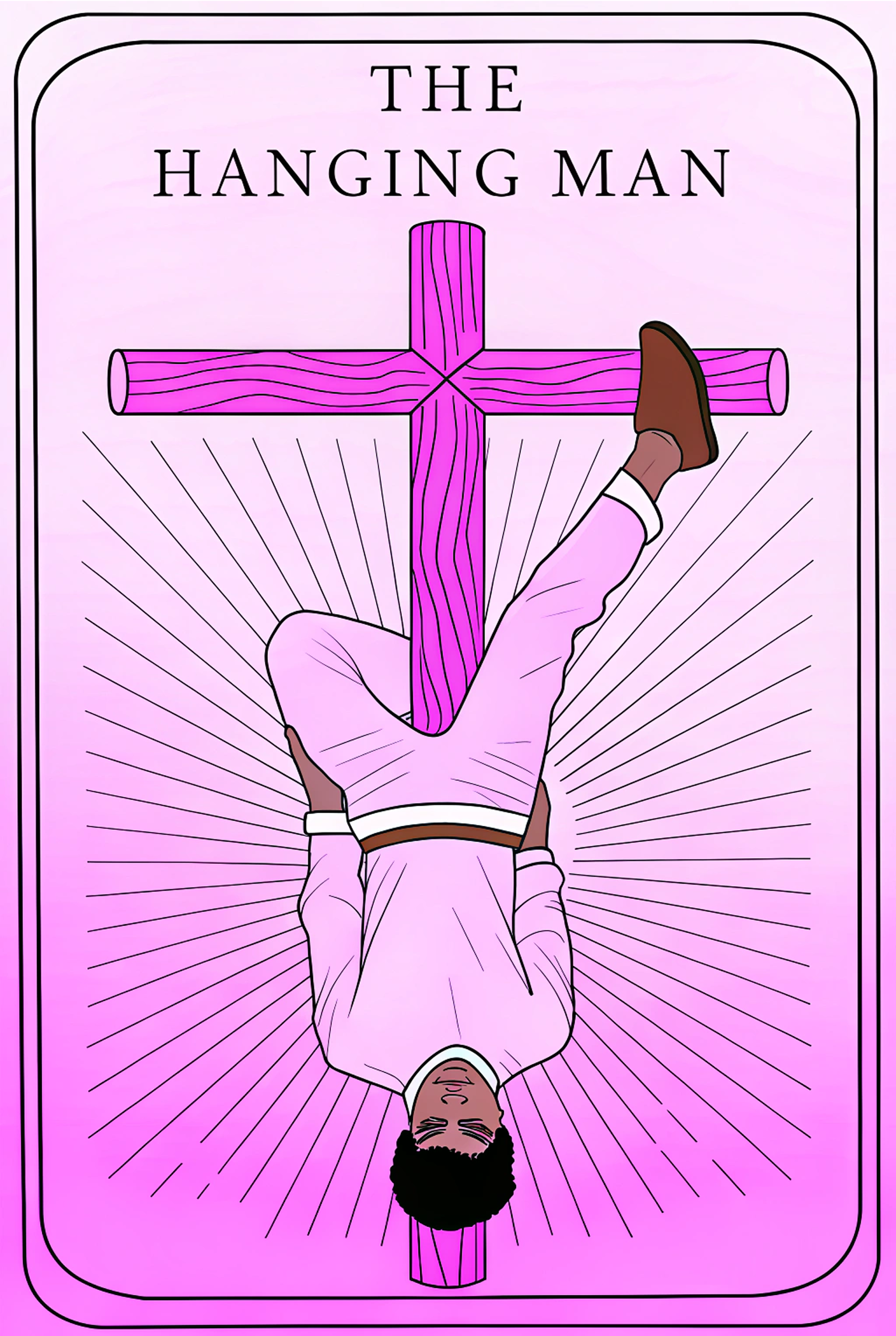 The Hanged Man
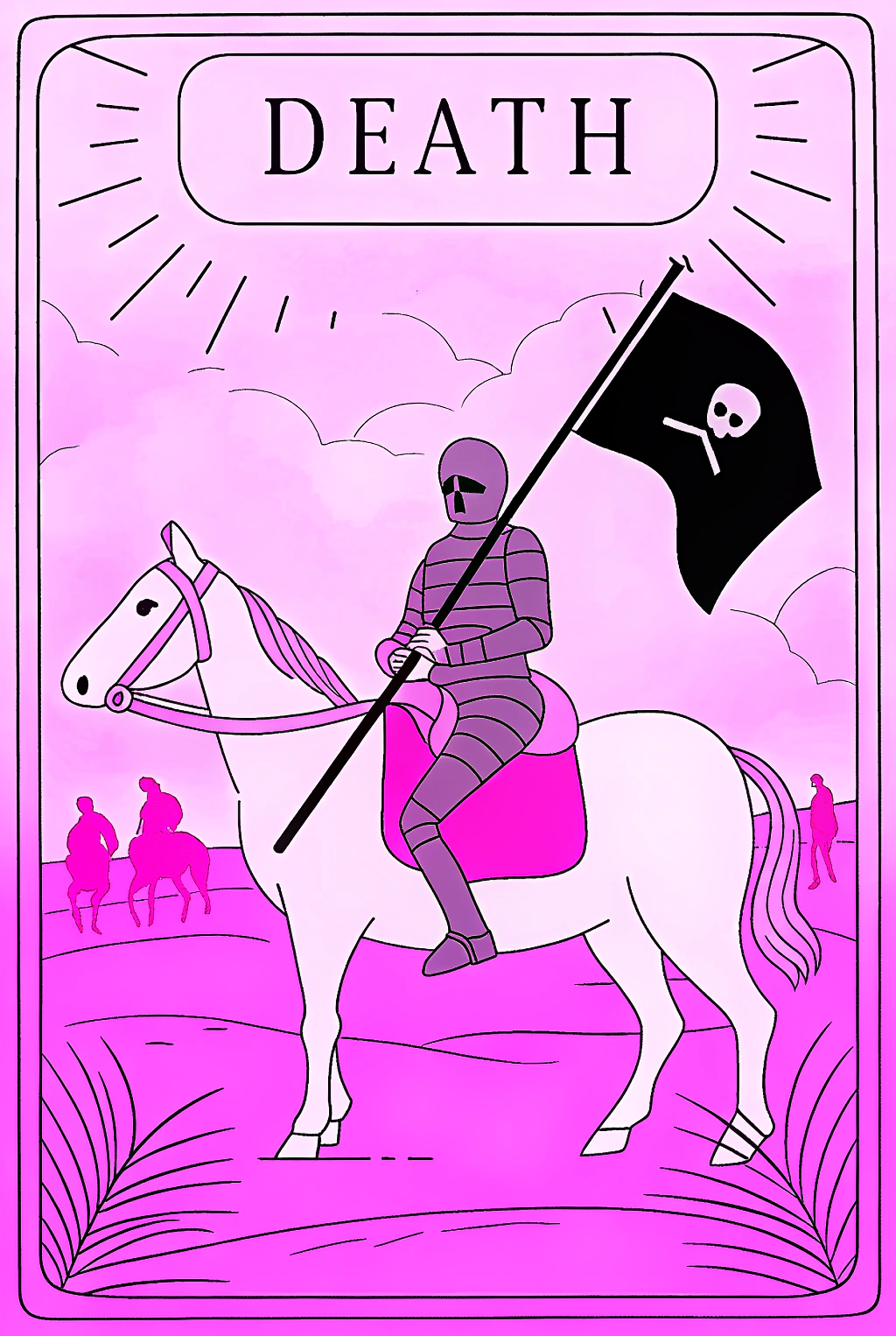 Death
Death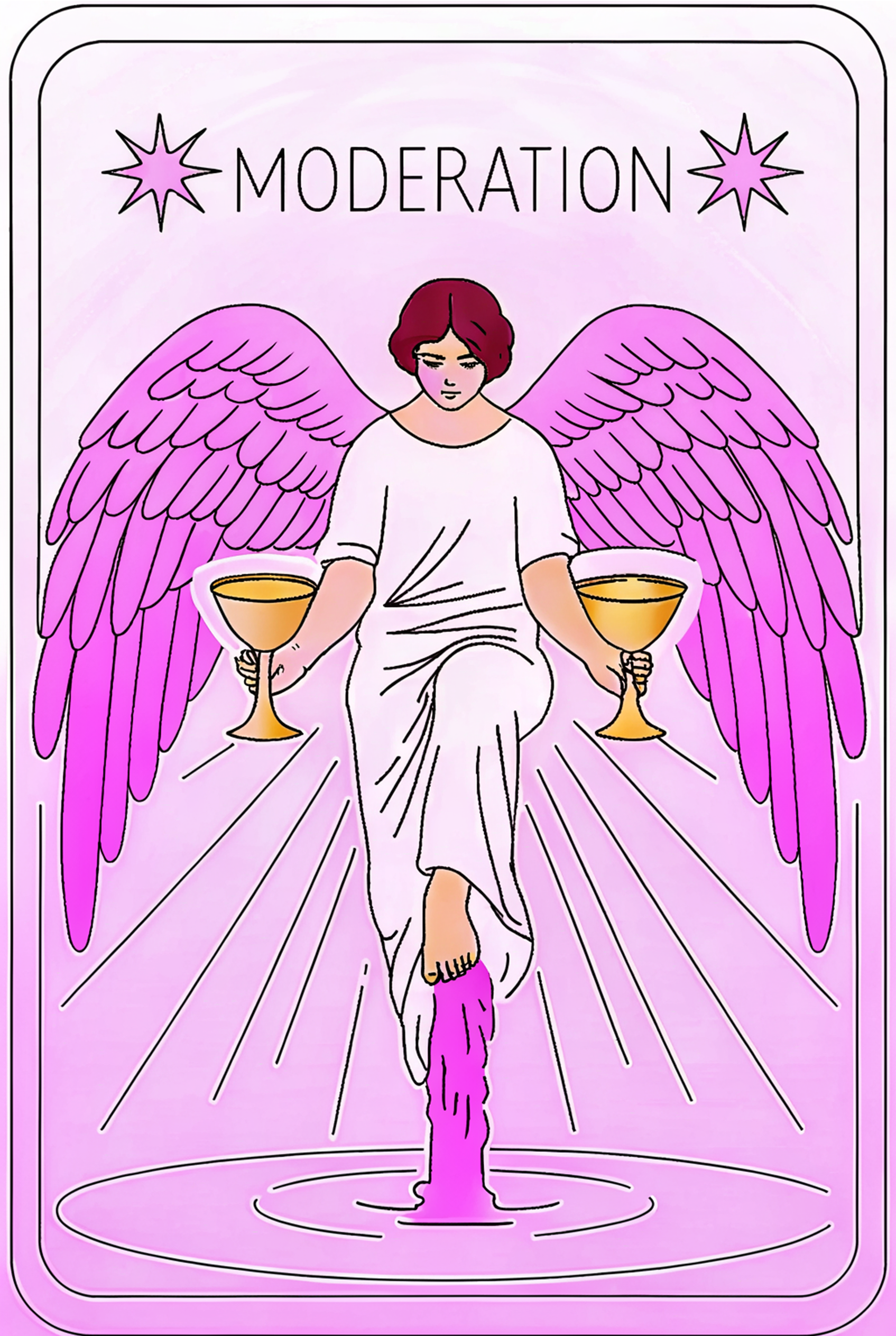 Temperance
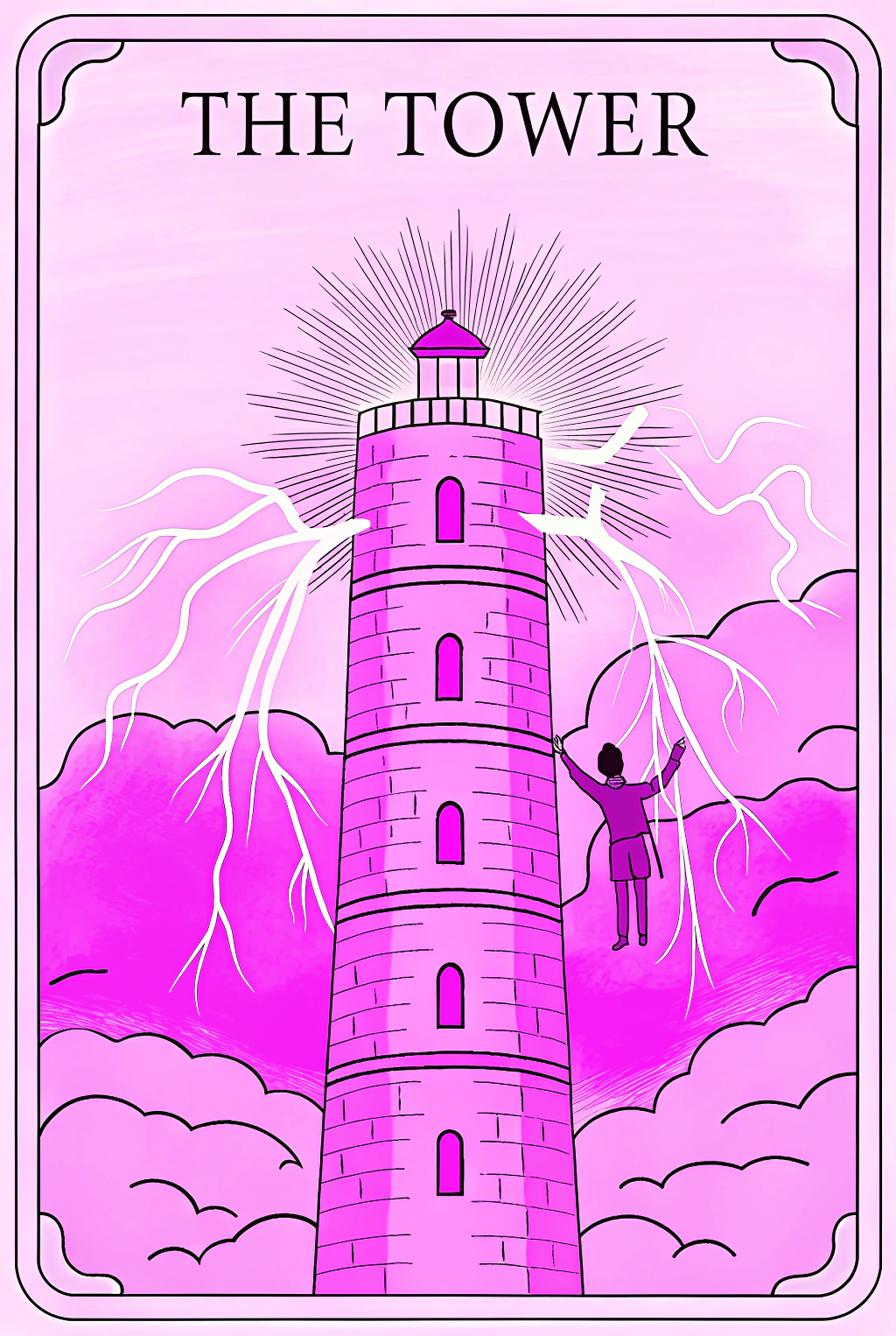 The Tower
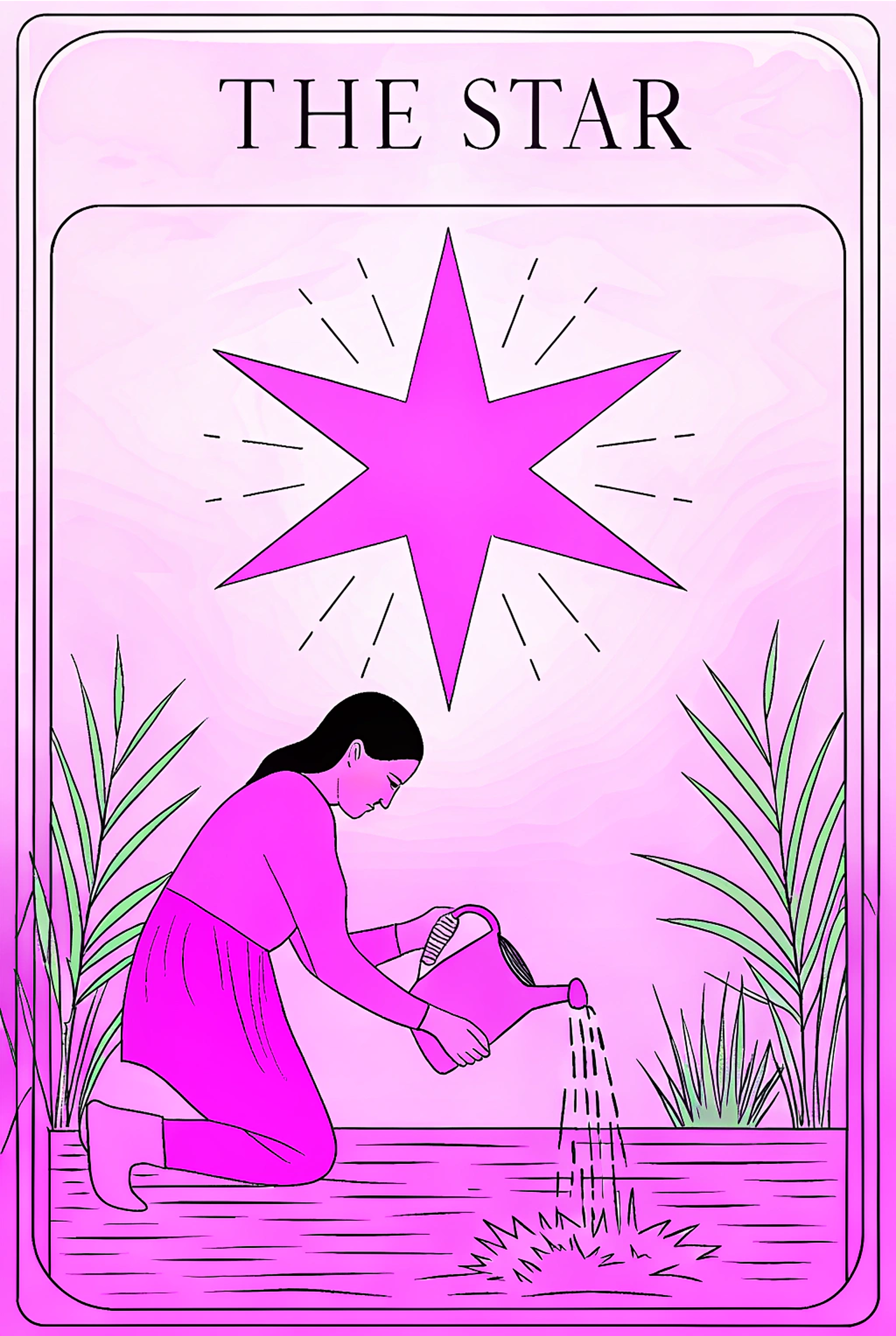 The Star
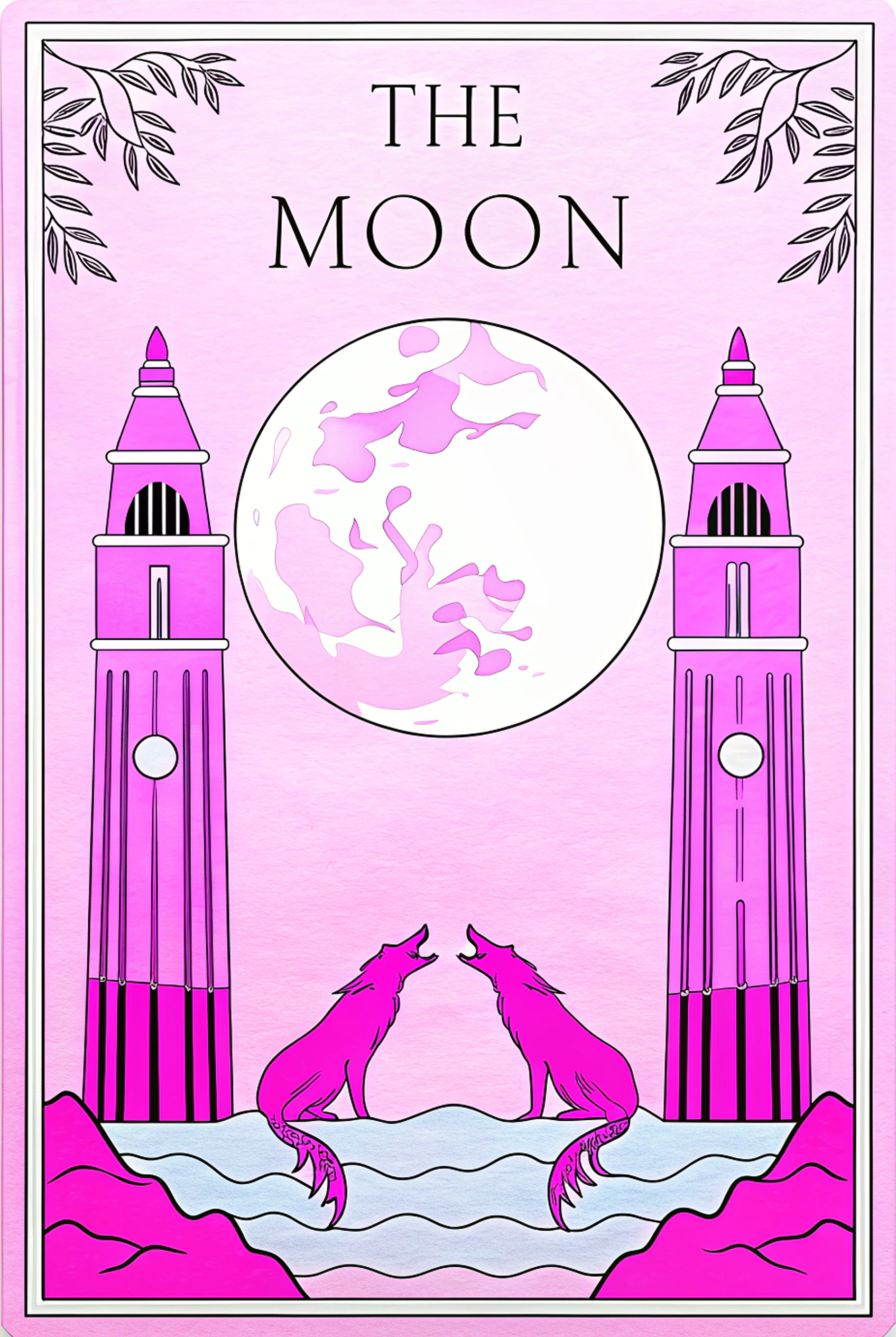 The Moon
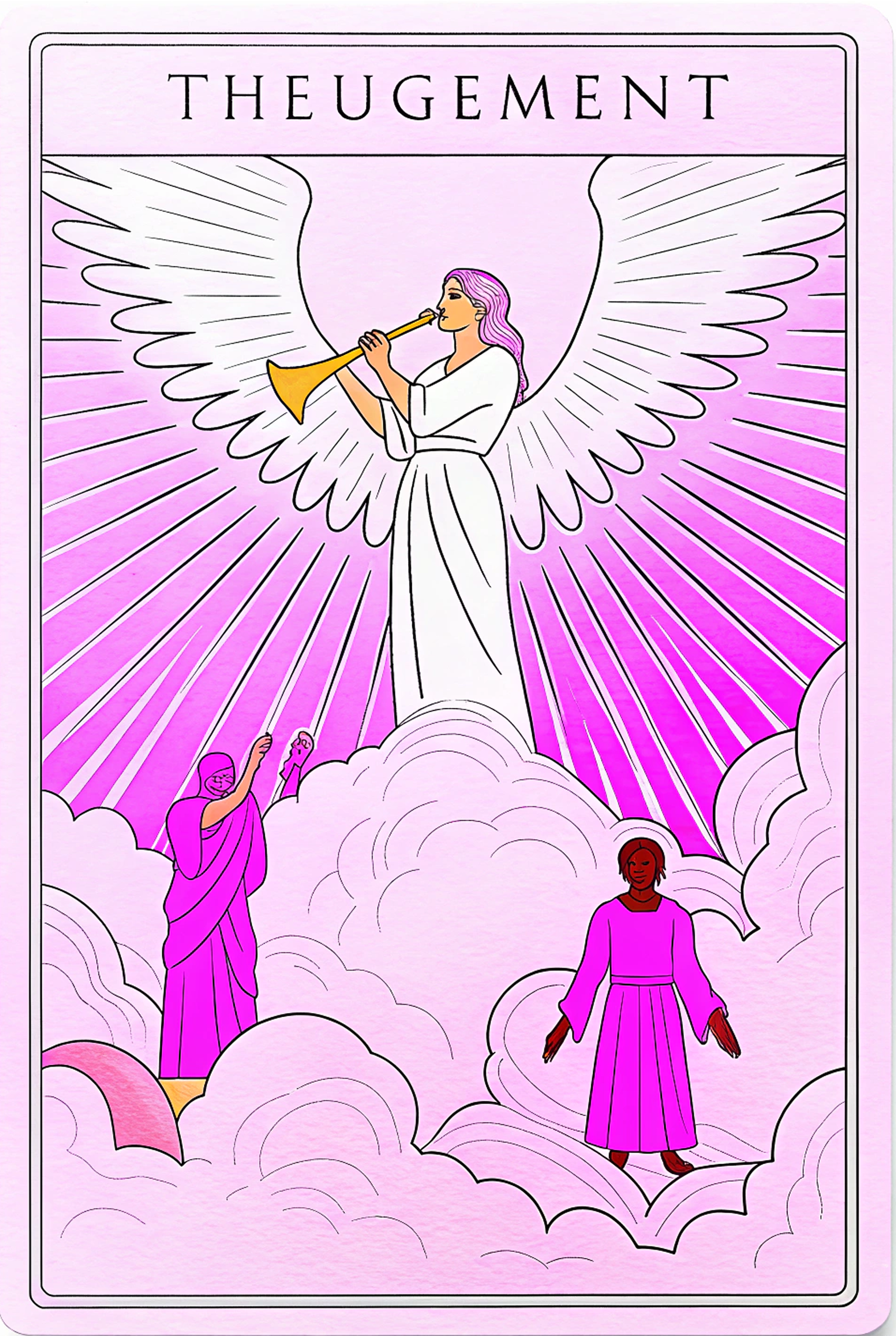 Judgement