




Major and minor arcana
The tarot deck divides into two complementary groups: the Major Arcana and the Minor Arcana. The Major Arcana consists of 22 numbered cards, from The Fool through The World, that represent big-picture themes, life-changing events, and archetypal energies. These cards often point to major turning points, spiritual lessons, or long-term influences in a reading. They speak to the deeper story rather than day-to-day details, offering a framework for understanding a querent’s broader journey and psychological landscape.
The Minor Arcana contains 56 cards arranged into four suits and covers the practical, everyday aspects of life. Each suit runs from Ace to Ten and includes four court cards (Page, Knight, Queen, King) that can represent people, personality traits, or roles. Numbered cards show progression, challenges, and opportunities within each suit’s domain, while court cards often signify individuals, approaches, or stages of development. Together, Major and Minor Arcana work in concert: majors highlight the overarching narrative, minors fill in specifics and timing, and their interaction creates a nuanced, actionable reading.
The four suits
- Wands — Fire: creativity, ambition, willpower, and projects in motion. Wands reflect inspiration, initiation, and the energy required to make ideas real.
- Cups — Water: emotions, relationships, intuition, and inner life. Cups address love, connection, emotional response, and the subtleties of feeling and empathy.
- Swords — Air: thought, communication, conflict, and clarity. Swords reveal beliefs, decisions, struggles, and the mental processes that shape choices and consequences.
- Pentacles — Earth: money, work, health, and physical resources. Pentacles concern material stability, skills, practical matters, and the tangible results of effort.
Upright and reversed
Each card can appear upright or reversed in a spread, and those positions alter emphasis. Upright cards tend to show a card’s core meaning, strengths, or a direct expression of its energy; reversed cards can indicate blockage, internalization, delay, a need for adjustment, or the shadow/aspect of the upright meaning. Some readers interpret reversals as the opposite meaning, others as an intensified or weakened version, and some choose not to read reversals at all. Context, surrounding cards, and the question being asked should guide your choice—use intuition and consistency to determine how upright and reversed positions will inform your interpretations.
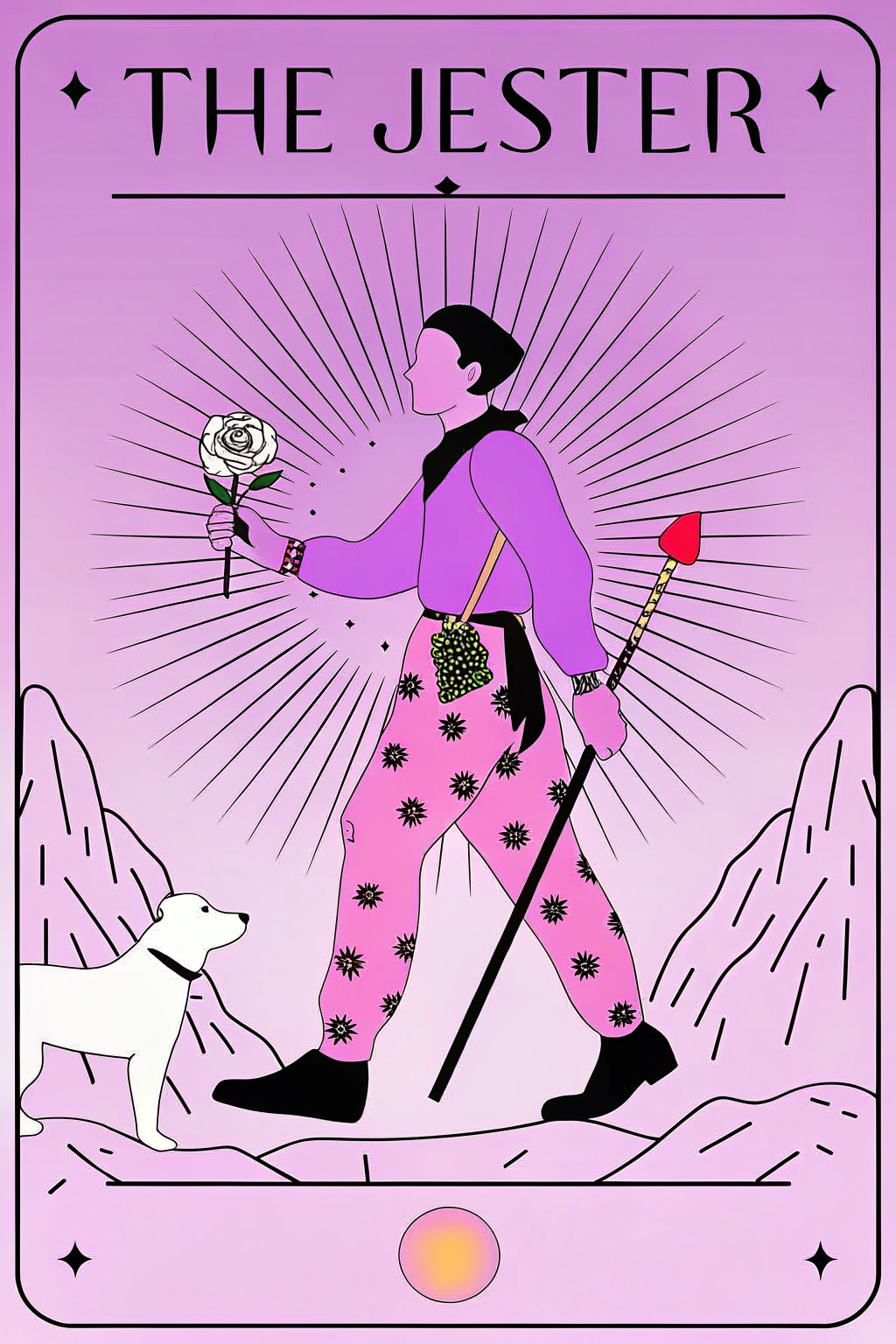 The Fool
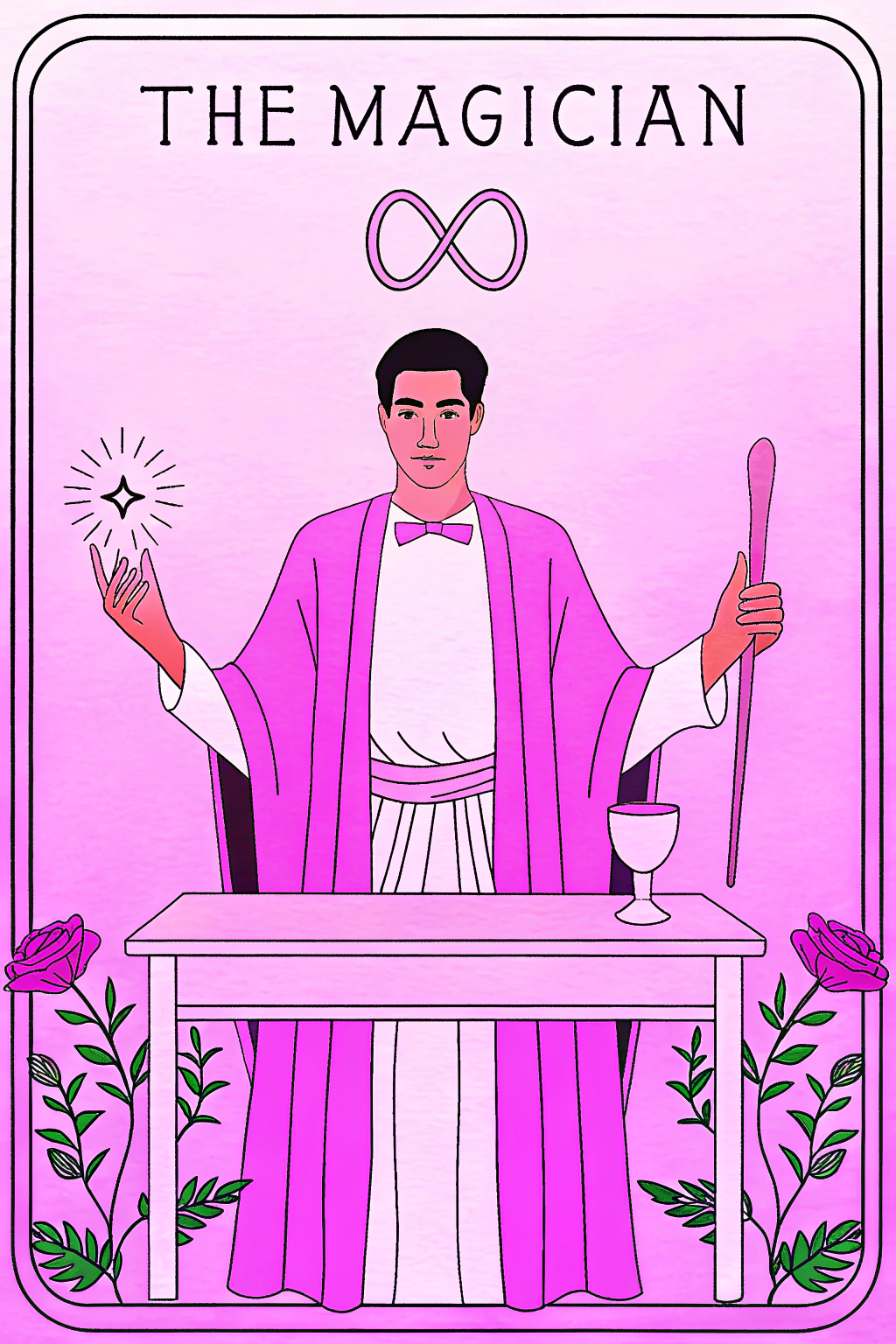 The Magician
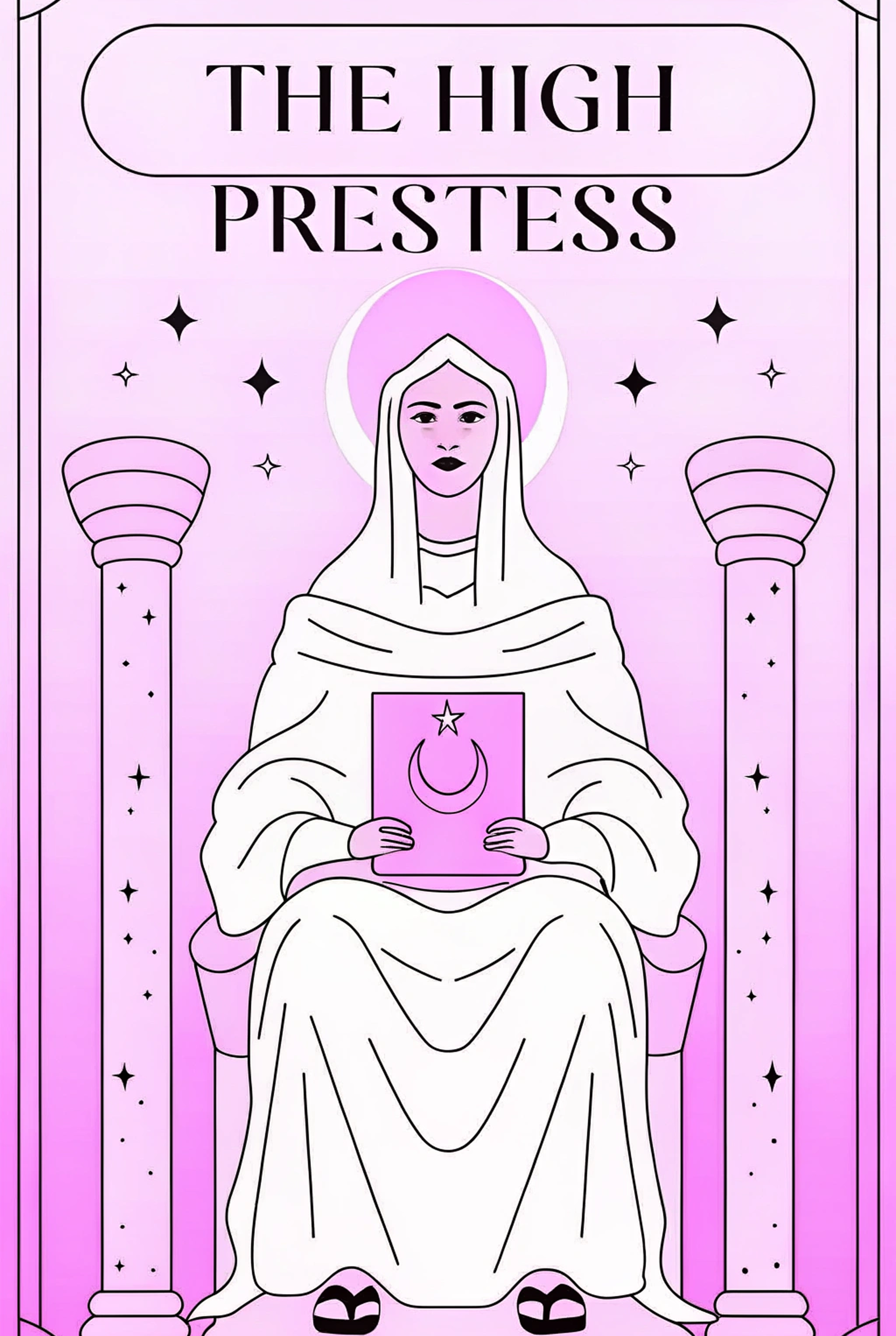 The High Priestess
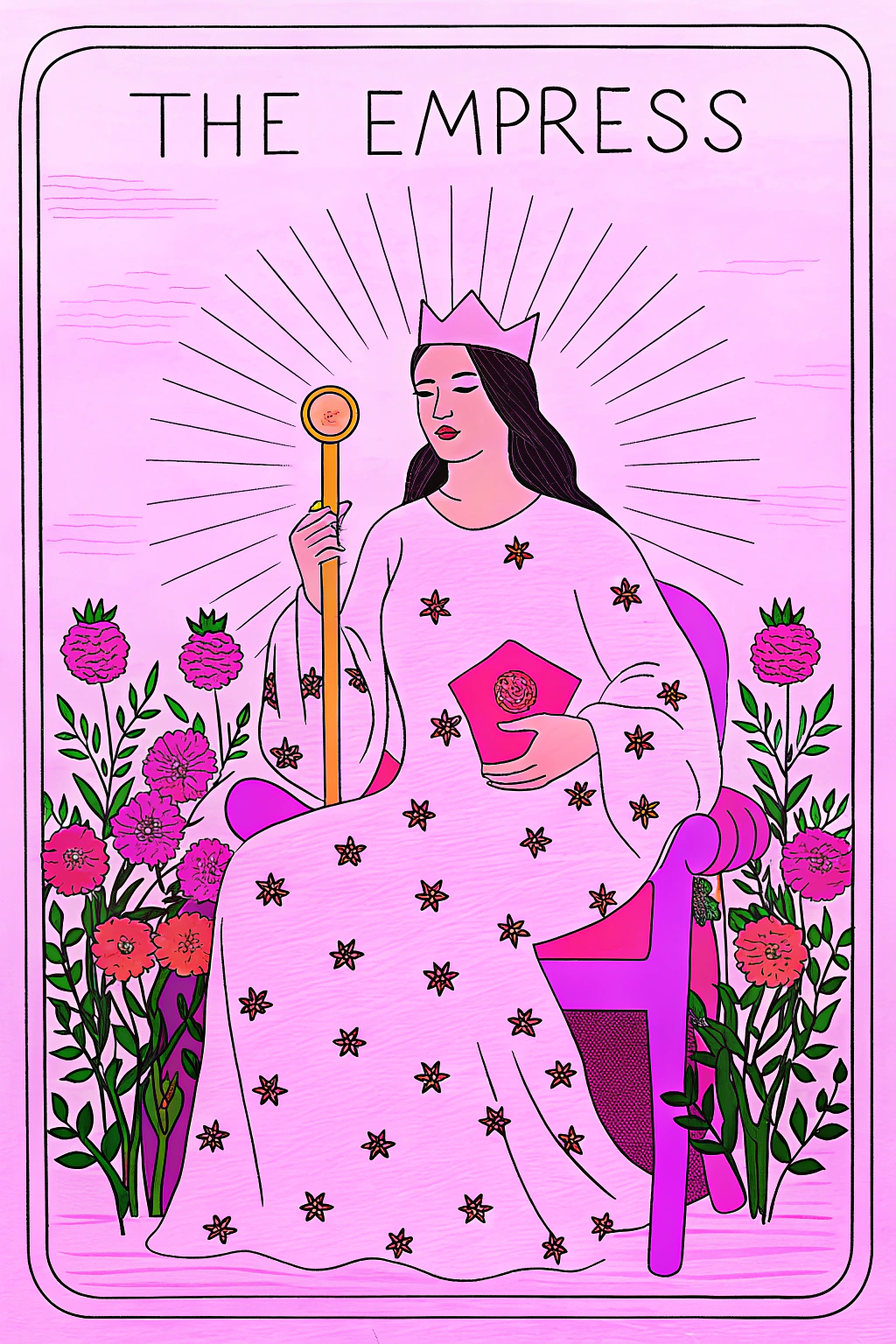 The Empress
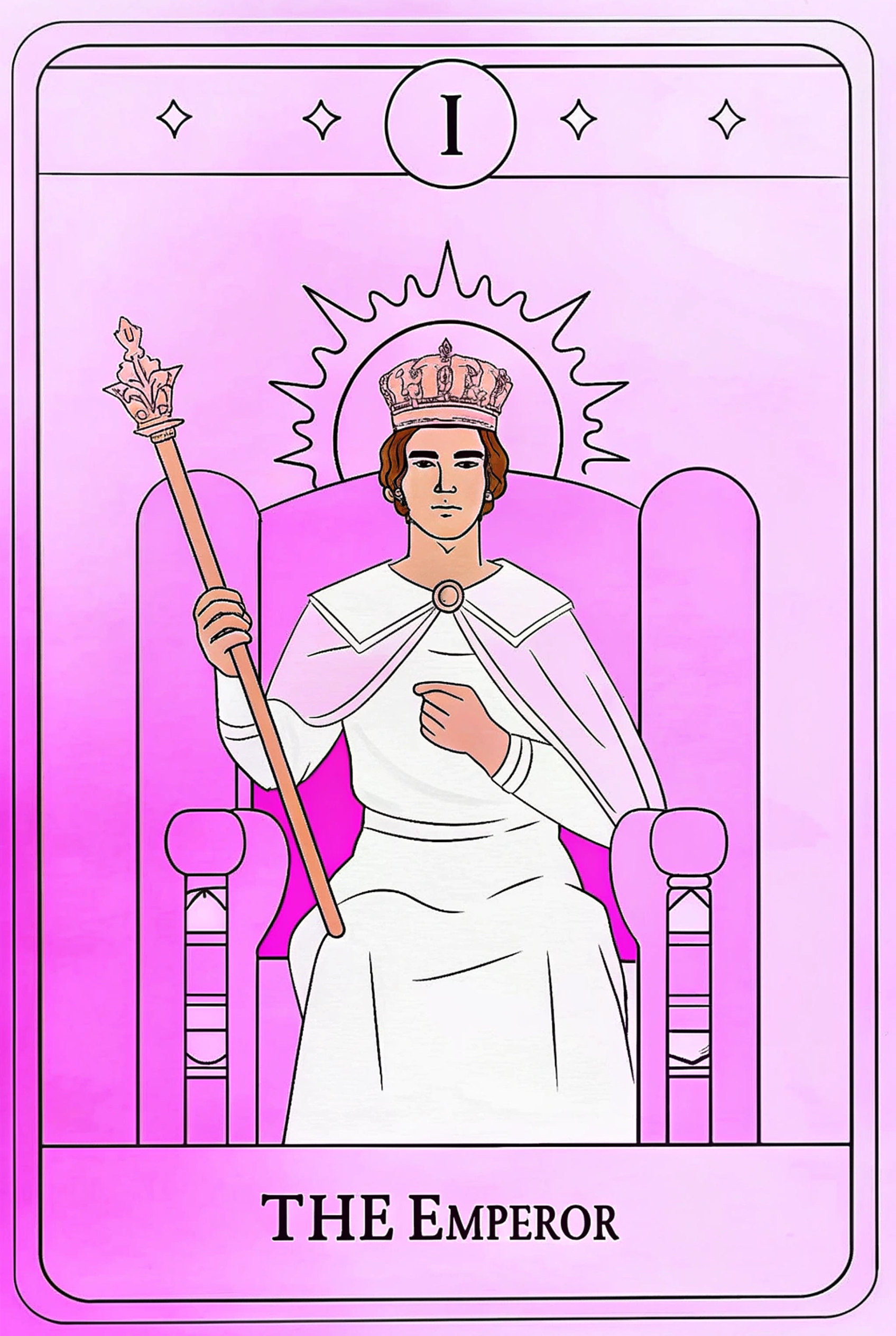 The Emperor
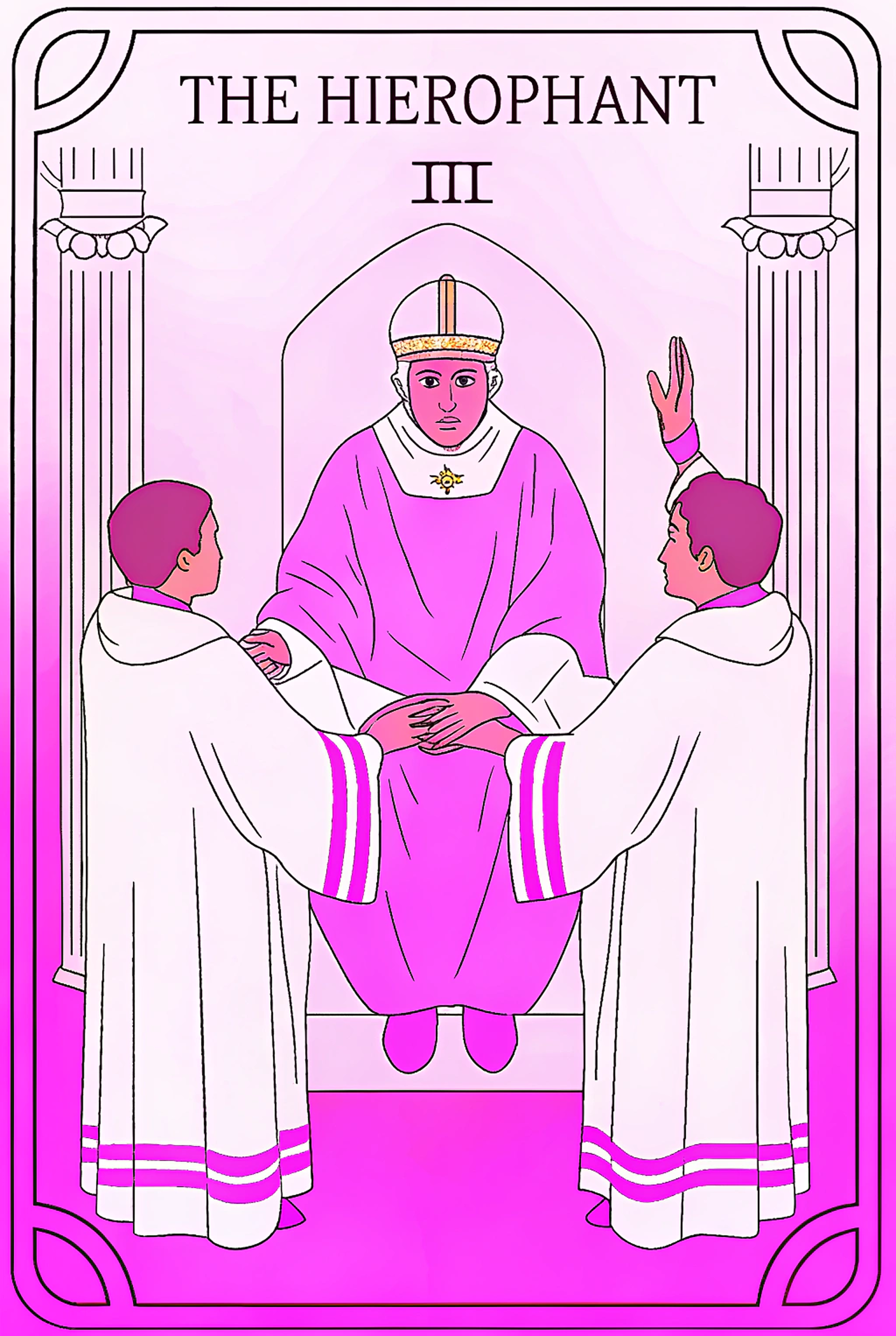 The Hierophant
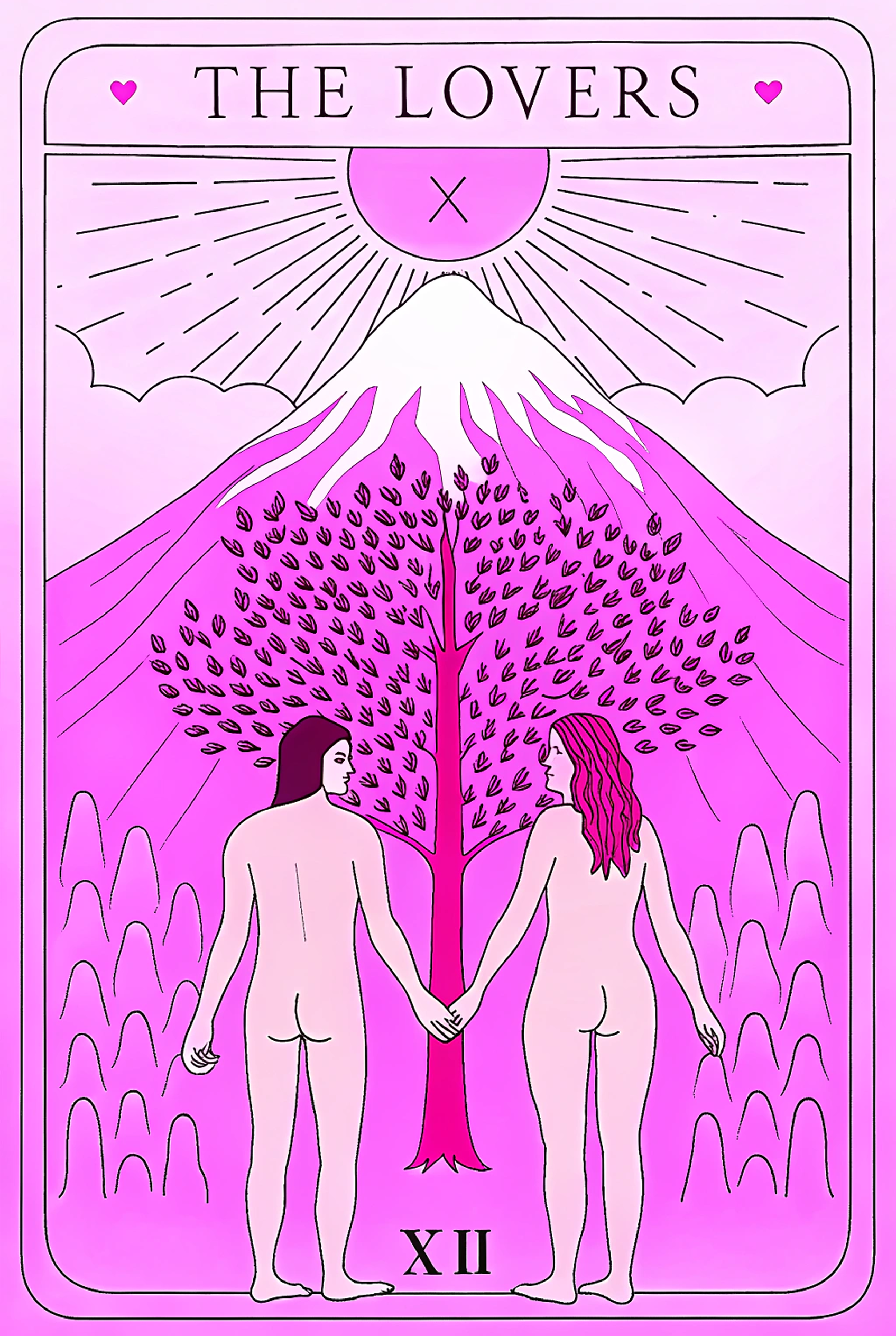 The Lovers
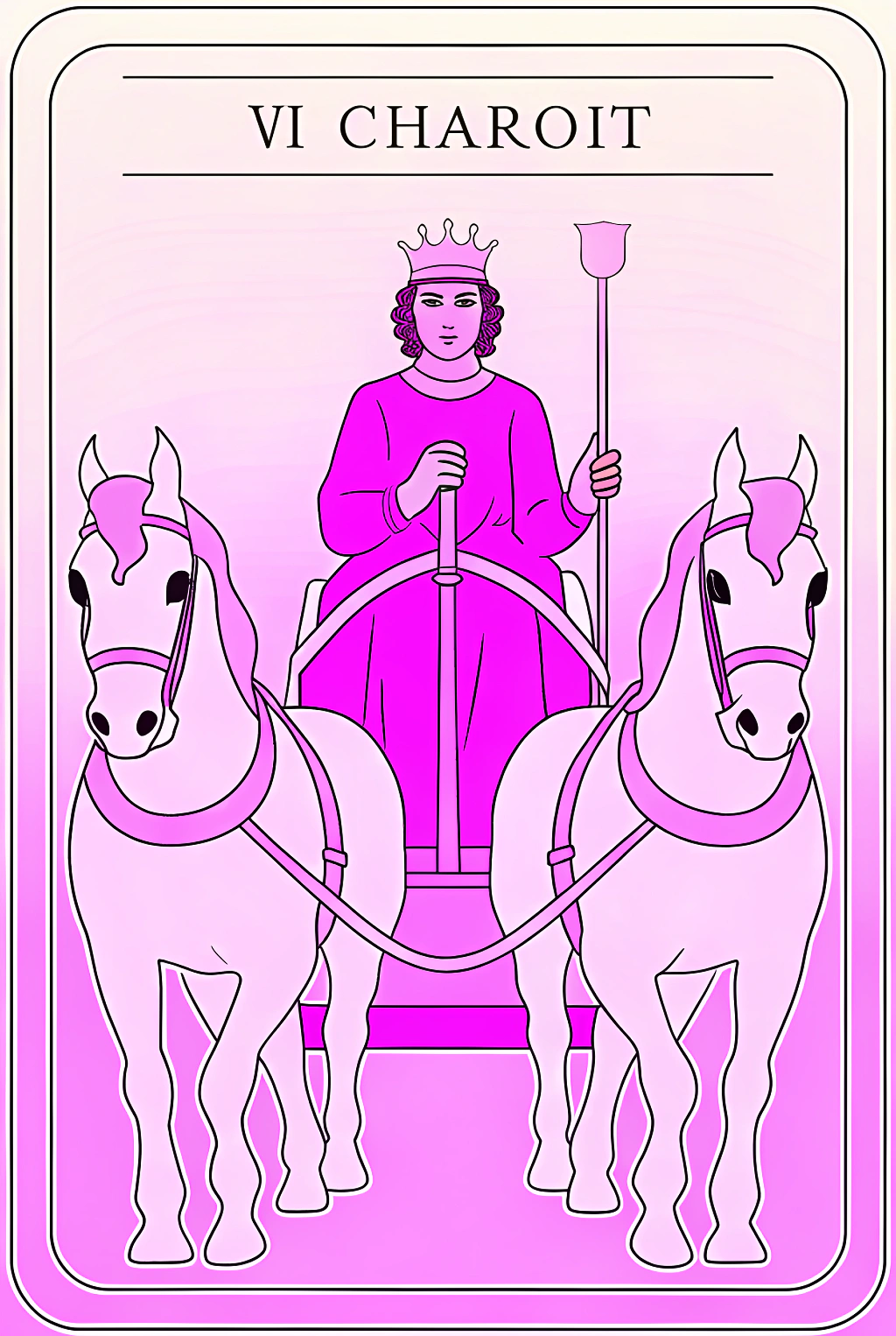 The Chariot
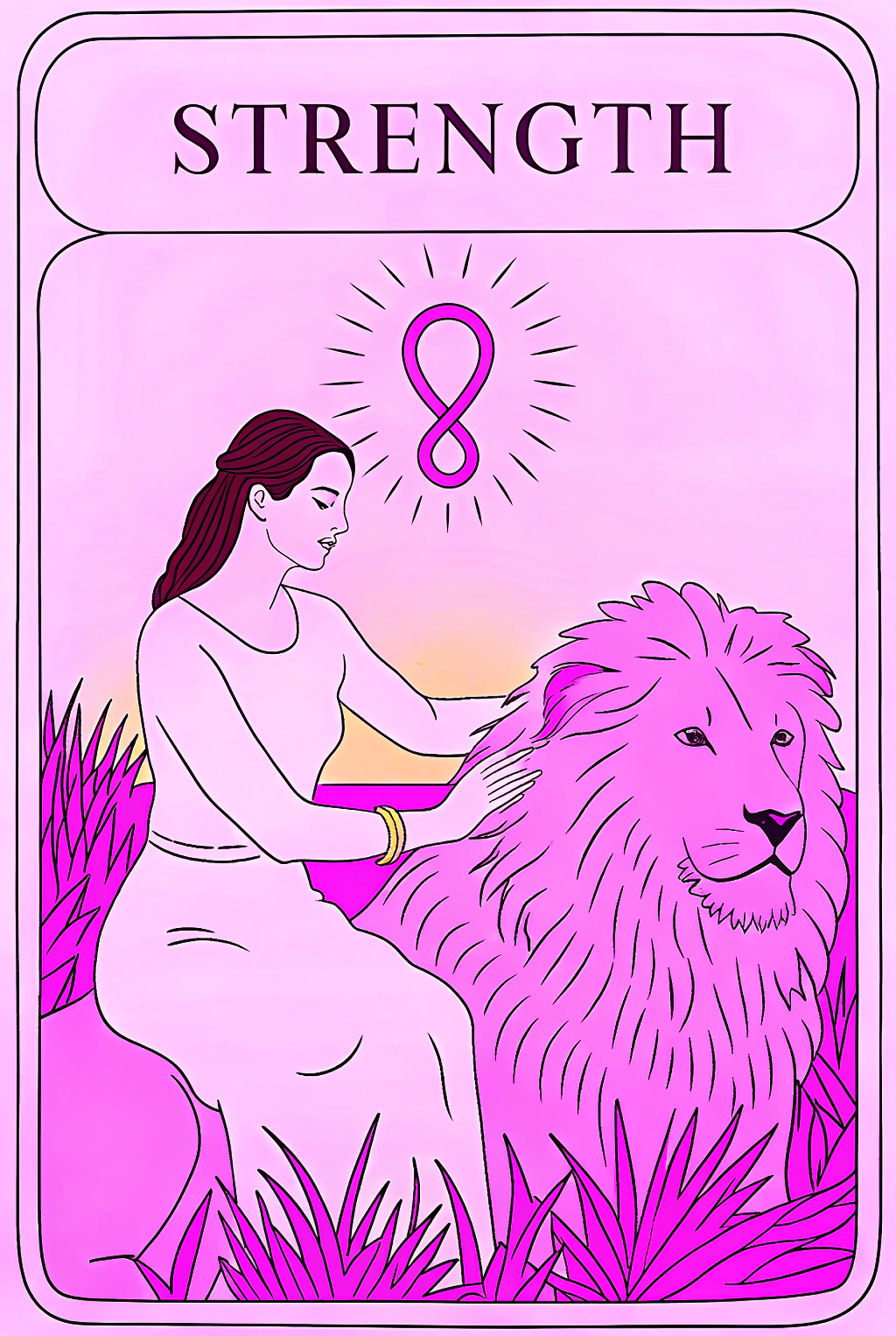 Strength
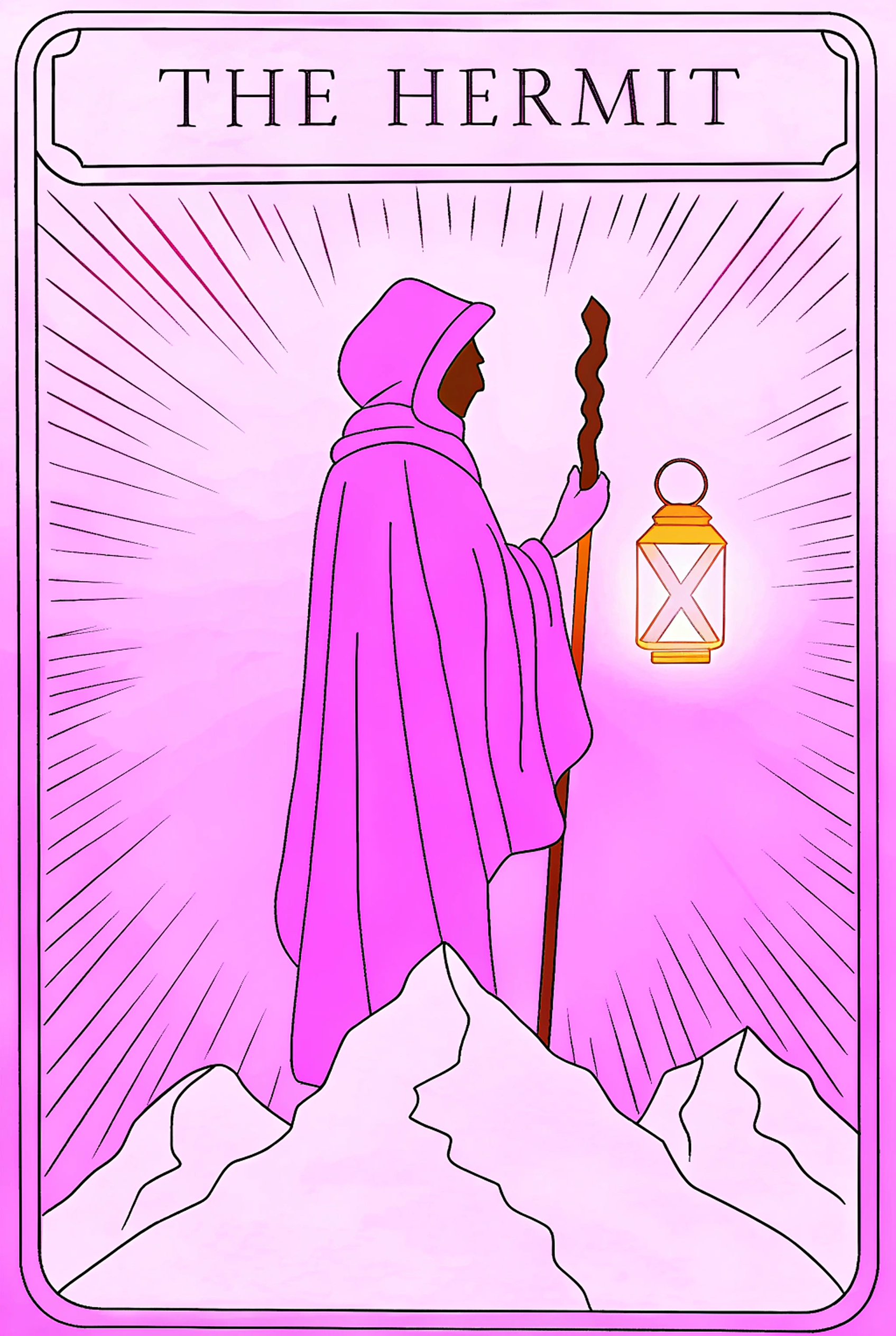 The Hermit
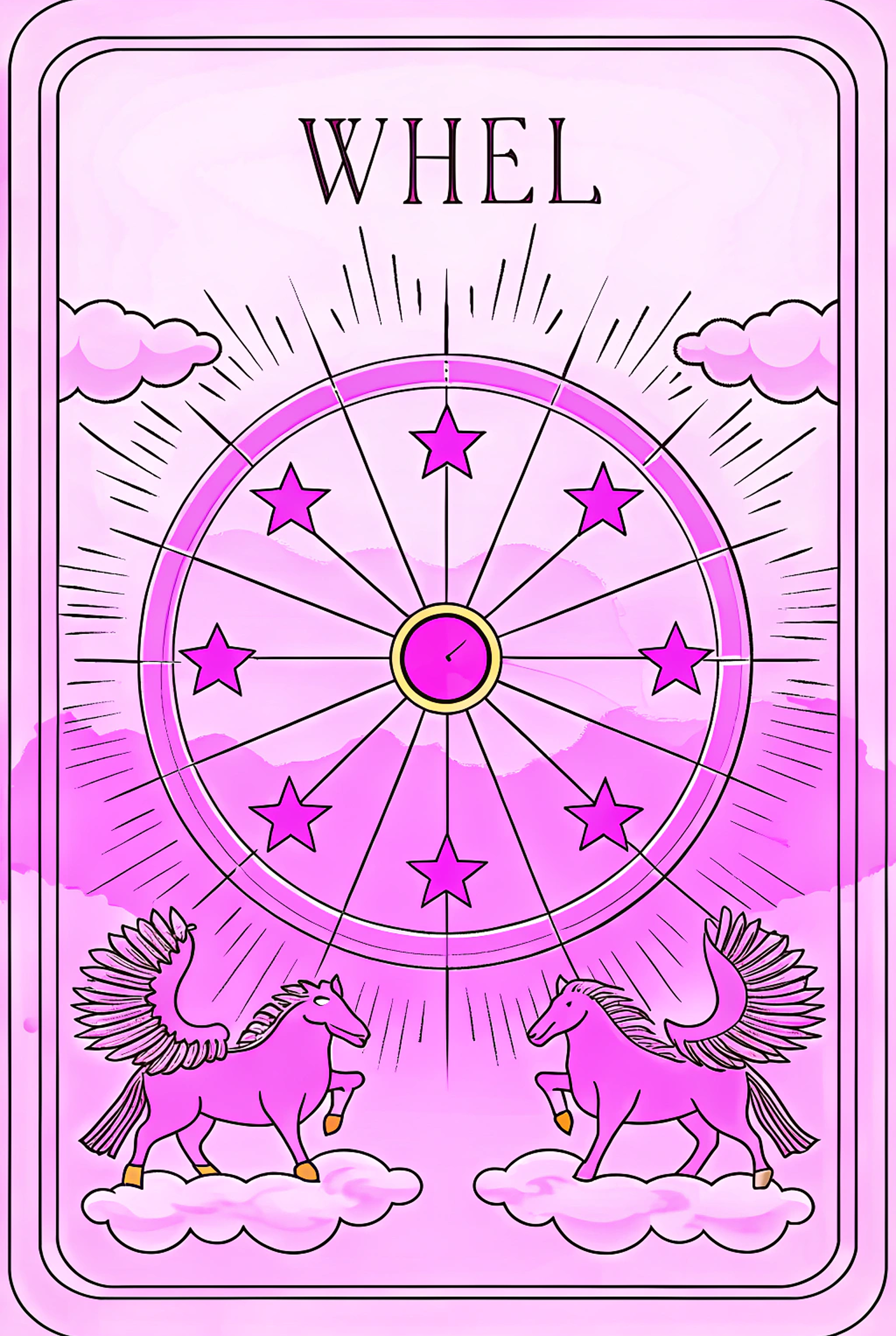 Wheel of Fortune
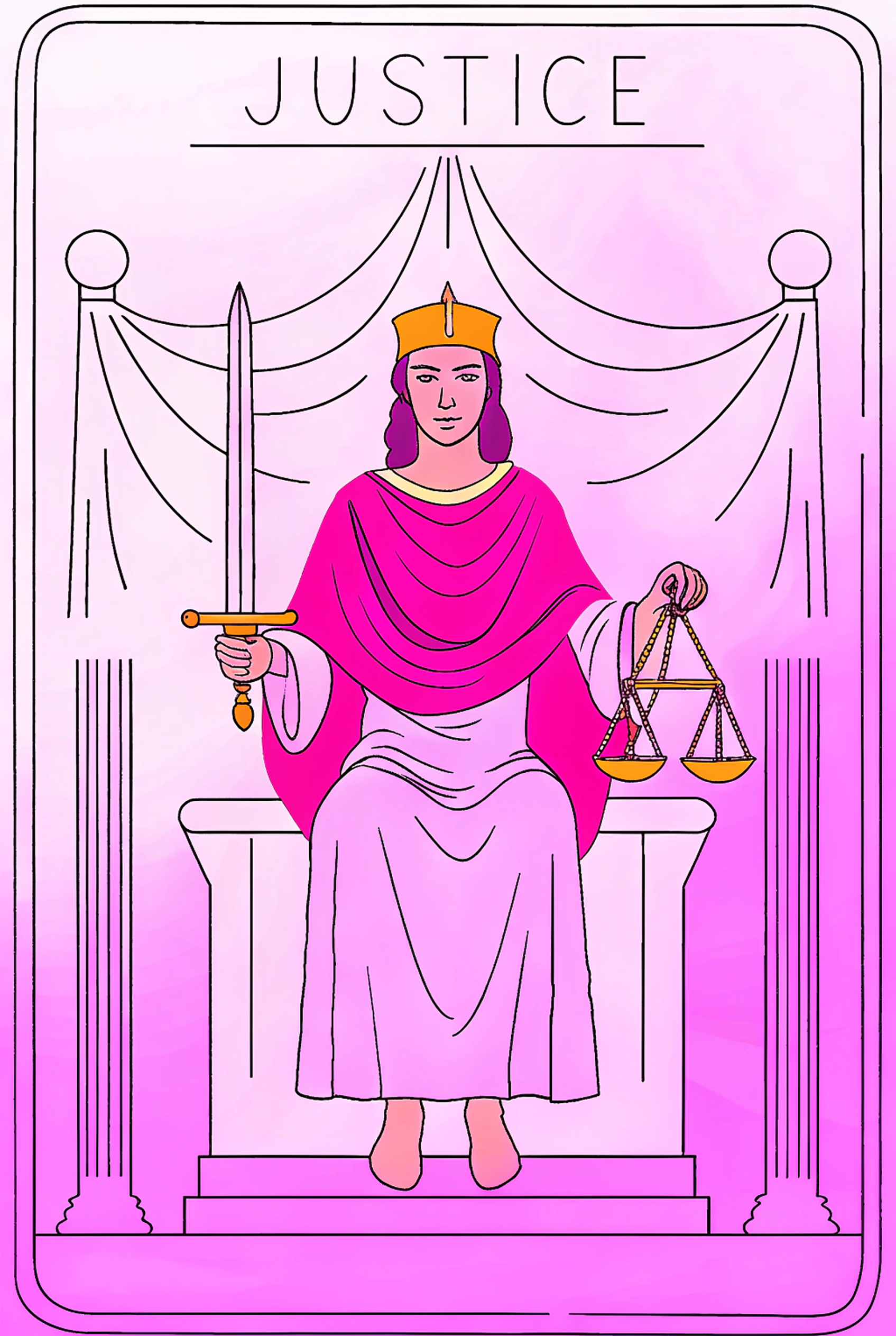 Justice
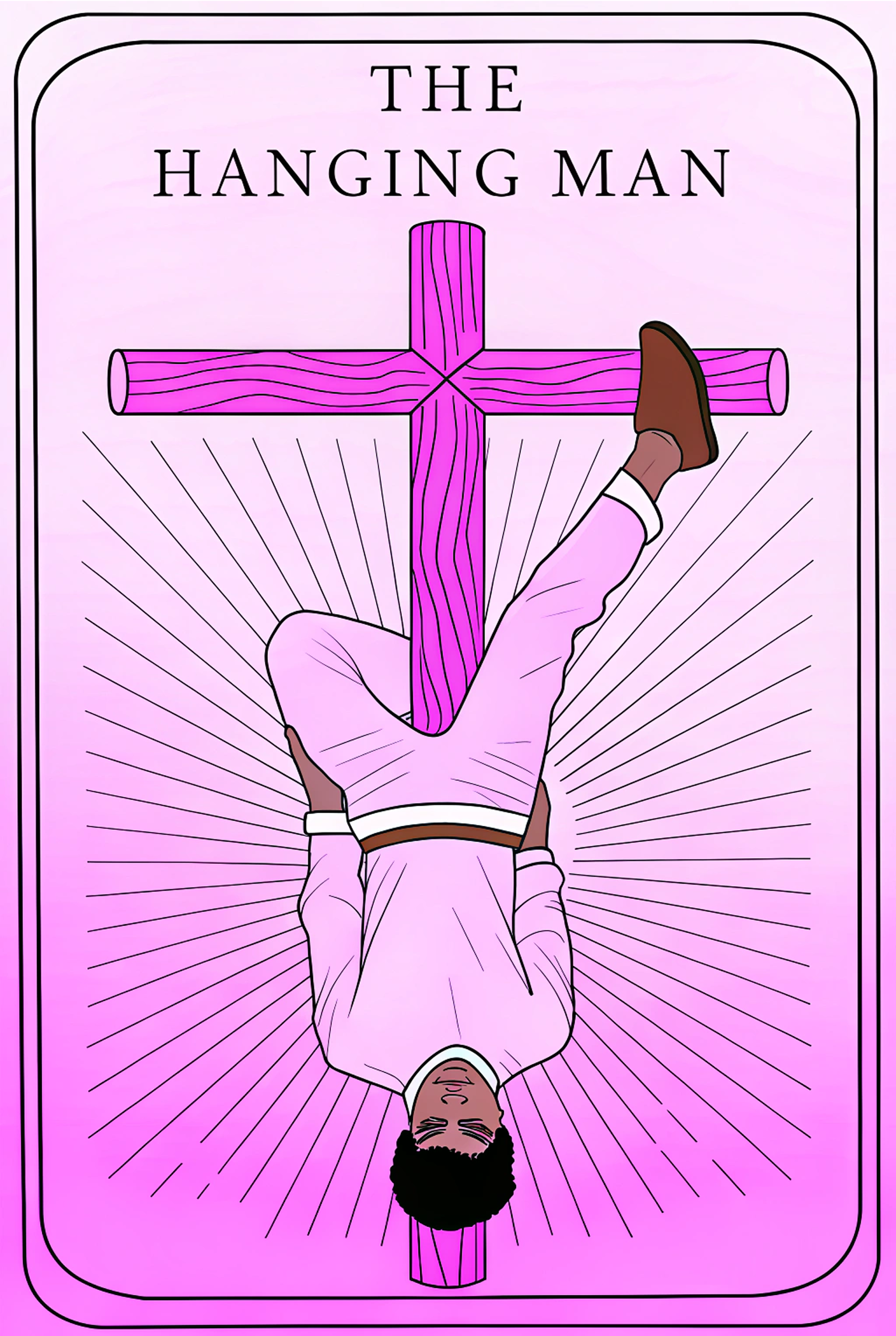 The Hanged Man
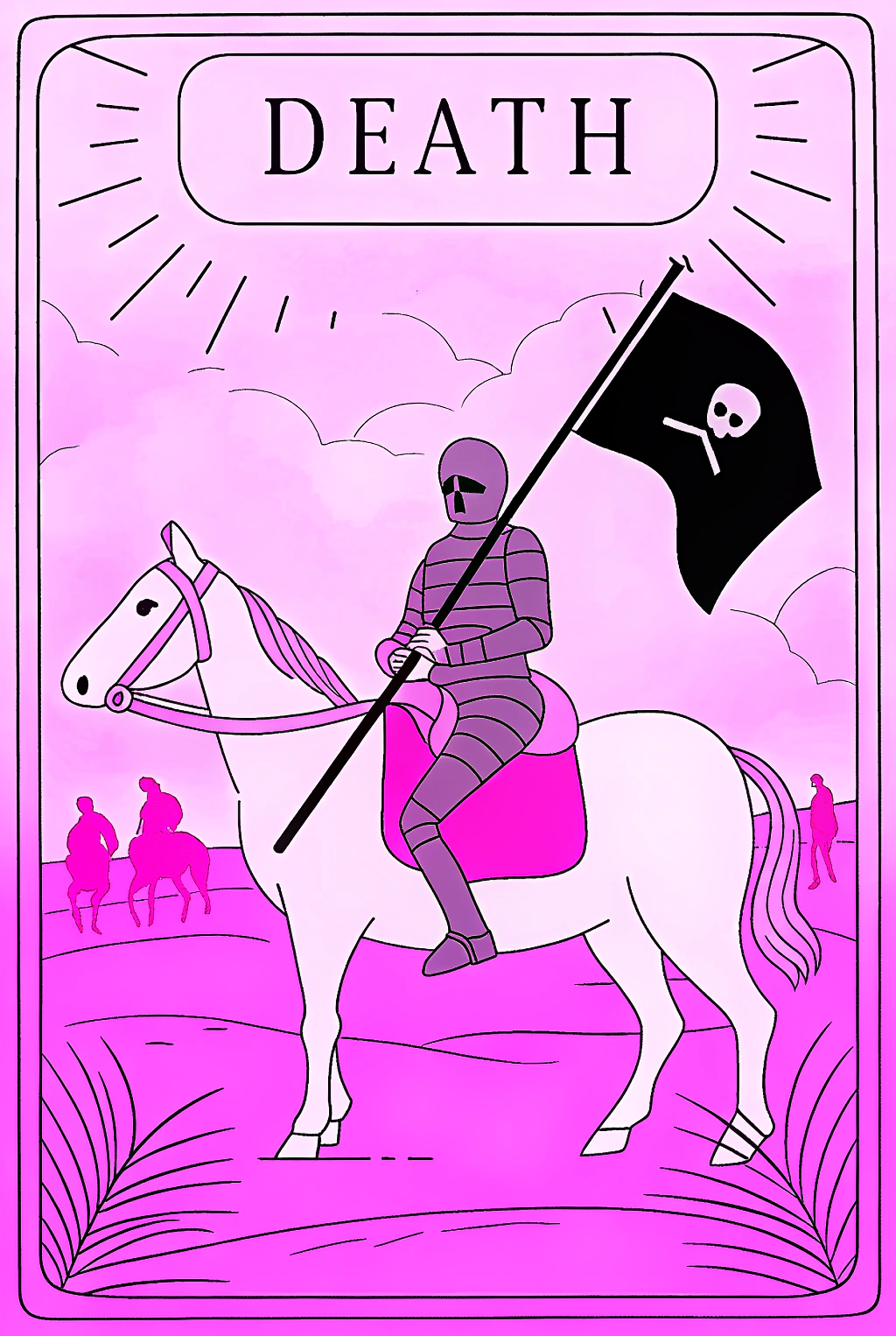 Death
Death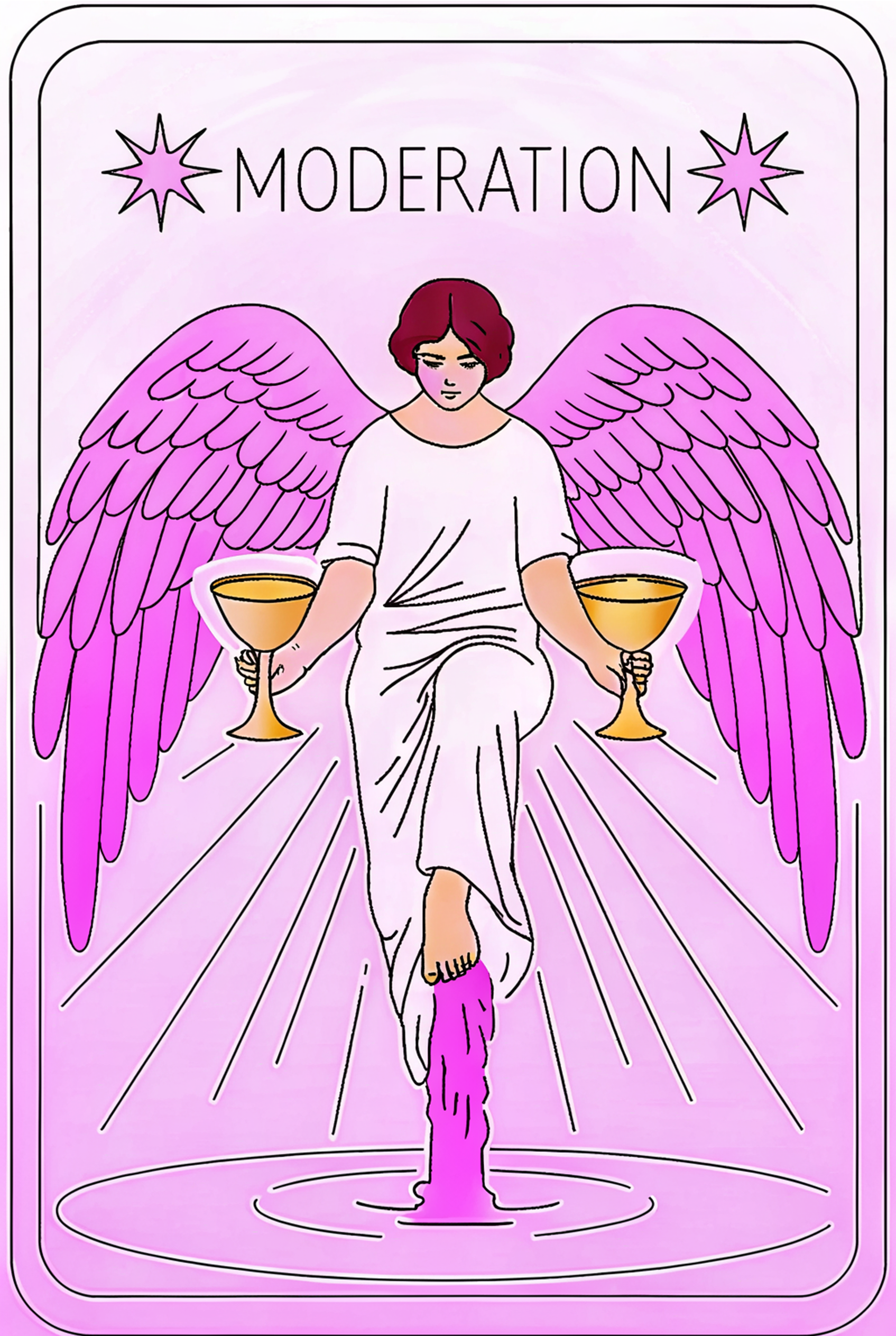 Temperance
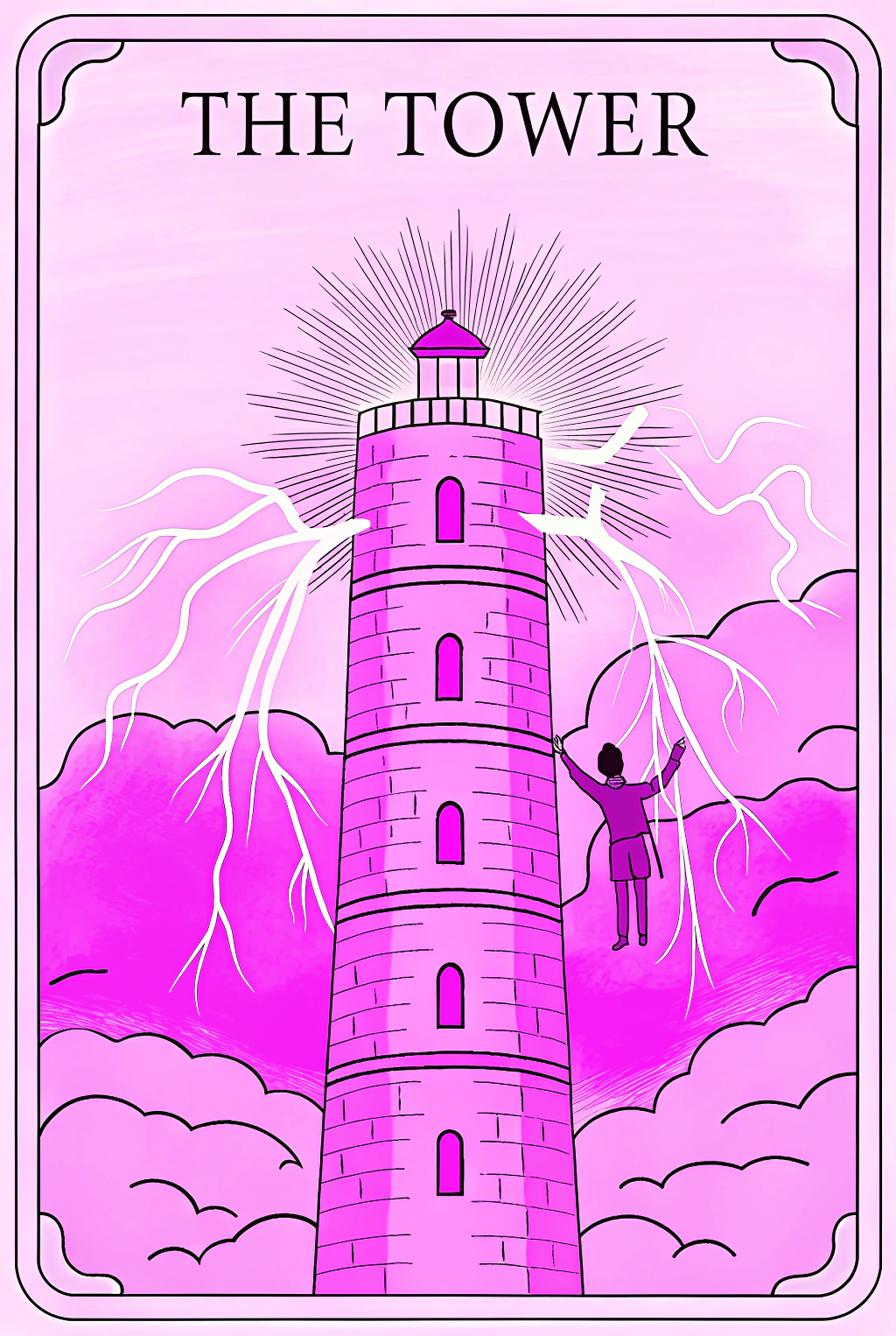 The Tower
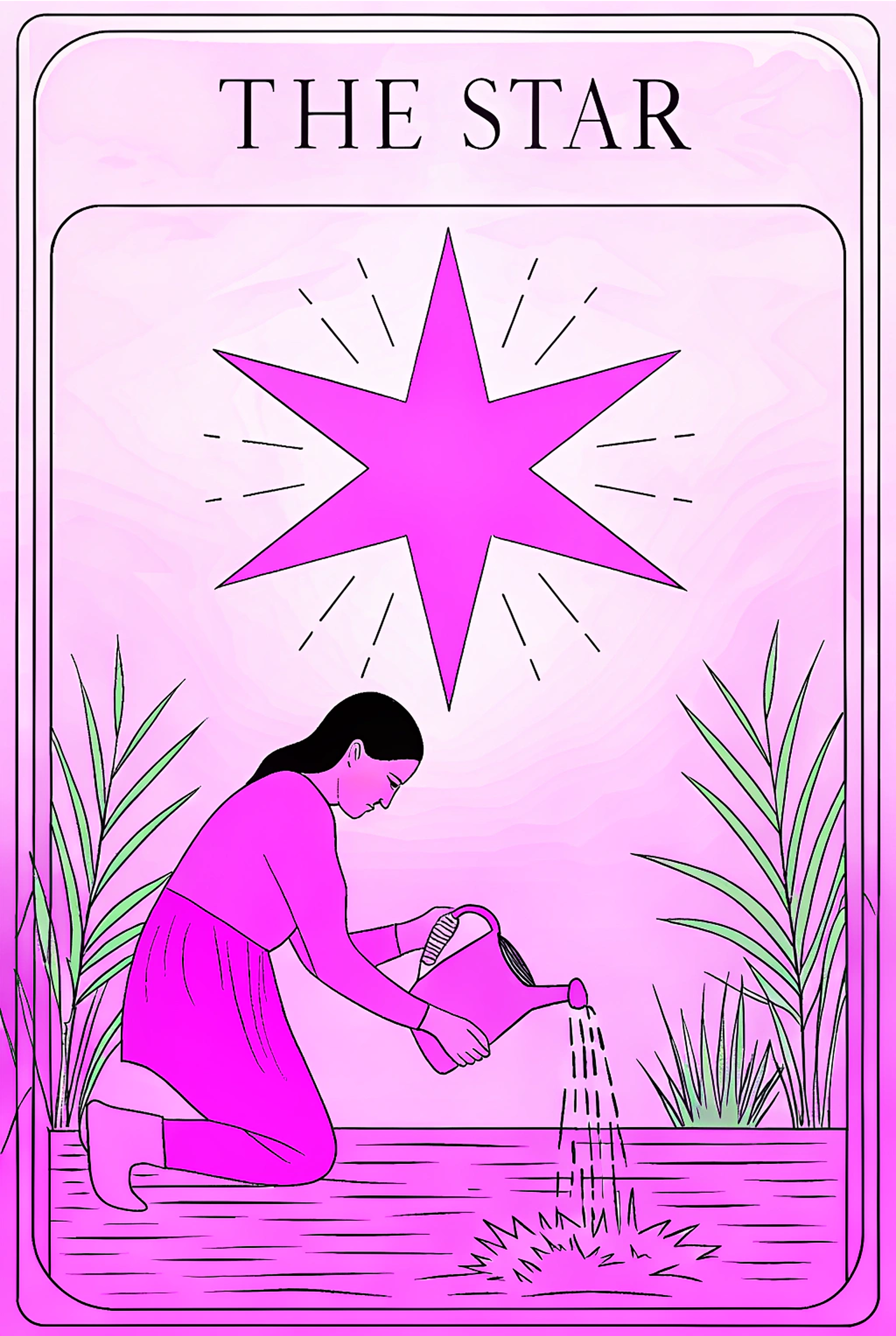 The Star
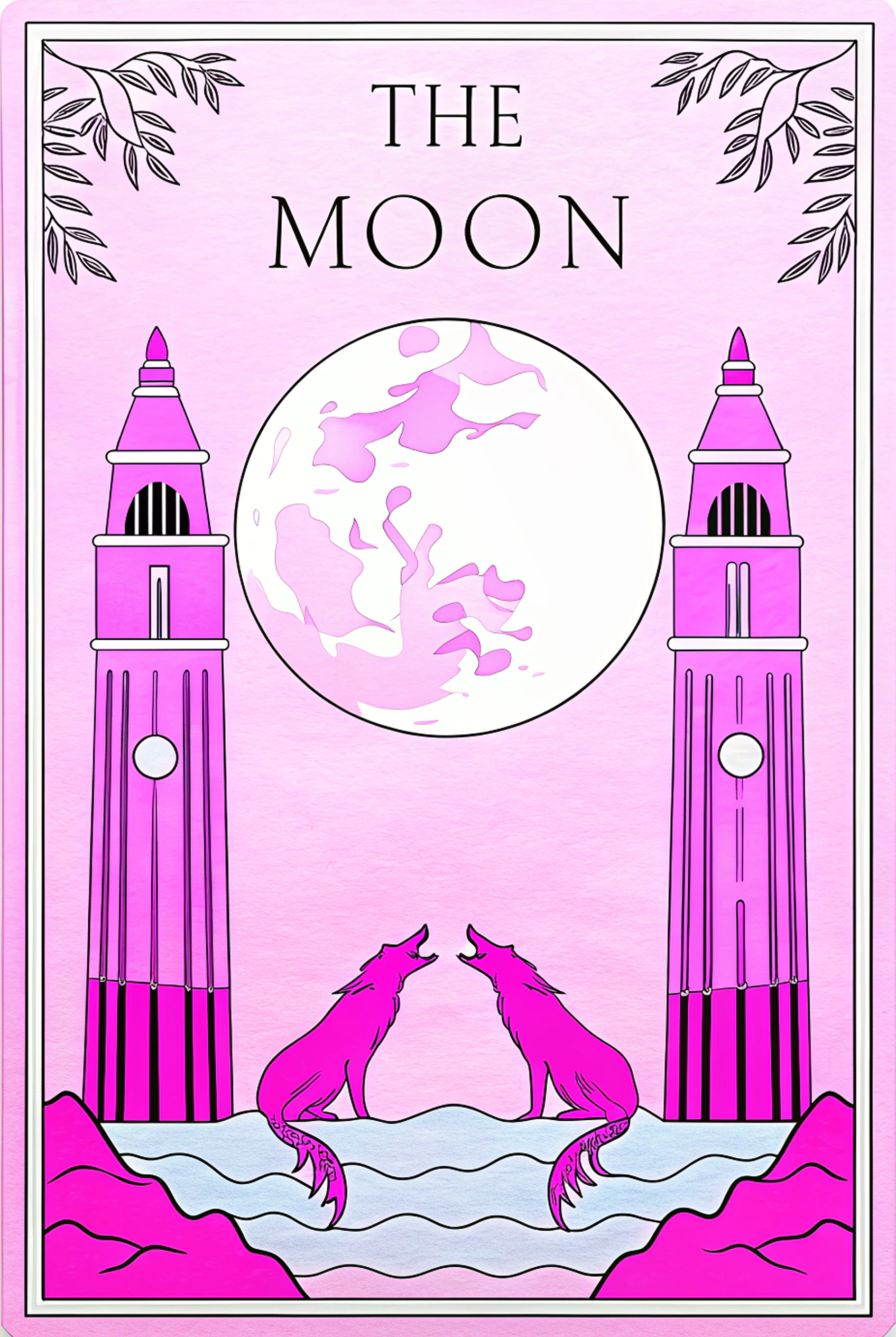 The Moon
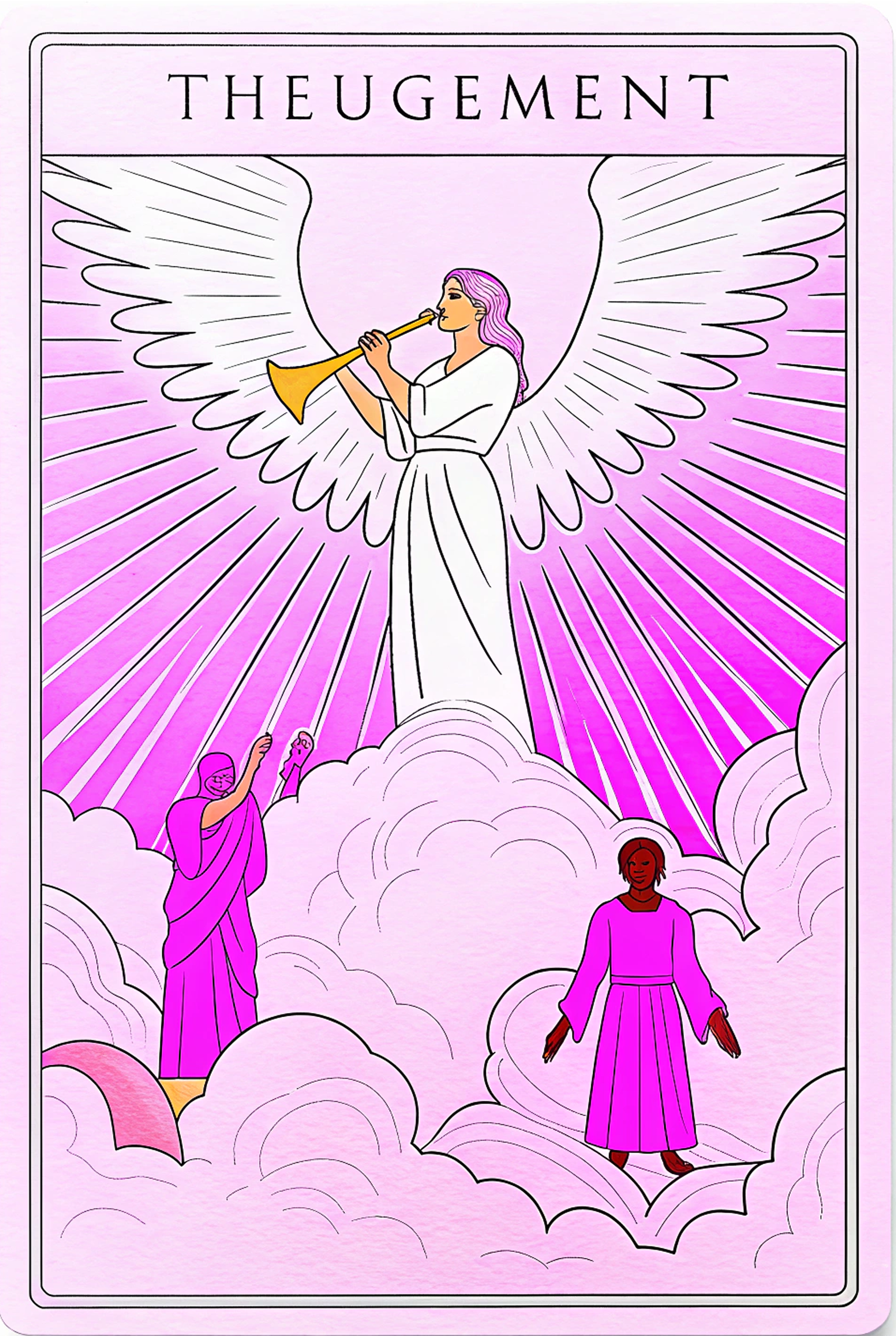 Judgement